BLOG

Top Applications for Temperature Sensors Across Sectors

January 5, 2026

Share this Article:

Temperature sensors are used in a wide range of equipment, systems, and environments. Manufacturers and engineers rely on them to maintain performance, protect components, and meet safety or compliance requirements. These sensors help control heating and cooling, manage energy usage, and provide accurate measurements in processes where stability matters.


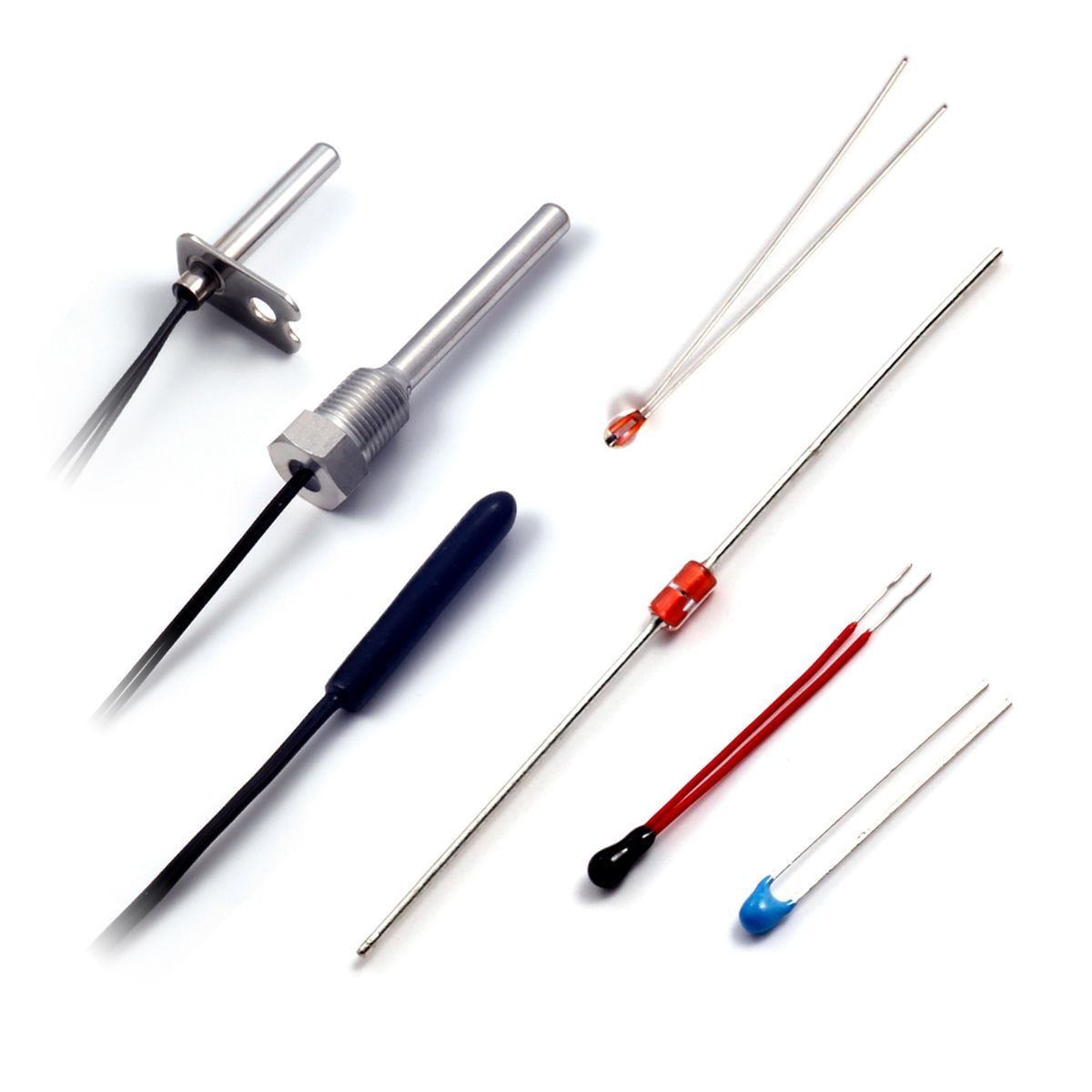
EI Sensor Technologies designs and manufactures thermistors, RTDs, and probe assemblies for both standard and highly specialized applications. Customers across multiple sectors rely on that expertise for consistent performance, application-specific designs, and responsive engineering.

Why Temperature Sensors Matter Across Industries

Temperature control affects safety, efficiency, and product quality in nearly every technical environment. Sensors are used to regulate heating and cooling, prevent overheating, maintain sanitation standards, and support precise operation in sensitive equipment.


These sensors are often selected for environments that involve extreme heat, variable moisture, or compact installation spaces.

Top Industries Where Temperature Sensors Are Used

Temperature sensors are used in sectors where thermal control affects safety, performance, or product integrity. Industries like HVAC, medical, industrial automation, and food processing depend on accurate readings to keep systems stable and operations consistent.

HVAC

Heating, ventilation, air conditioning, and refrigeration systems rely on temperature sensors to regulate airflow, monitor coolant levels, and maintain setpoints. In both residential and commercial systems, accurate readings help improve energy efficiency and prevent system failures.


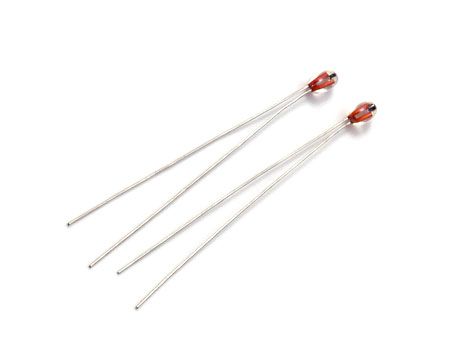
NTC thermistor
s are commonly used in these systems due to their sensitivity and fast response times. Sensors may be placed near evaporator coils, compressors, or ambient air pathways to monitor performance and control cycling.

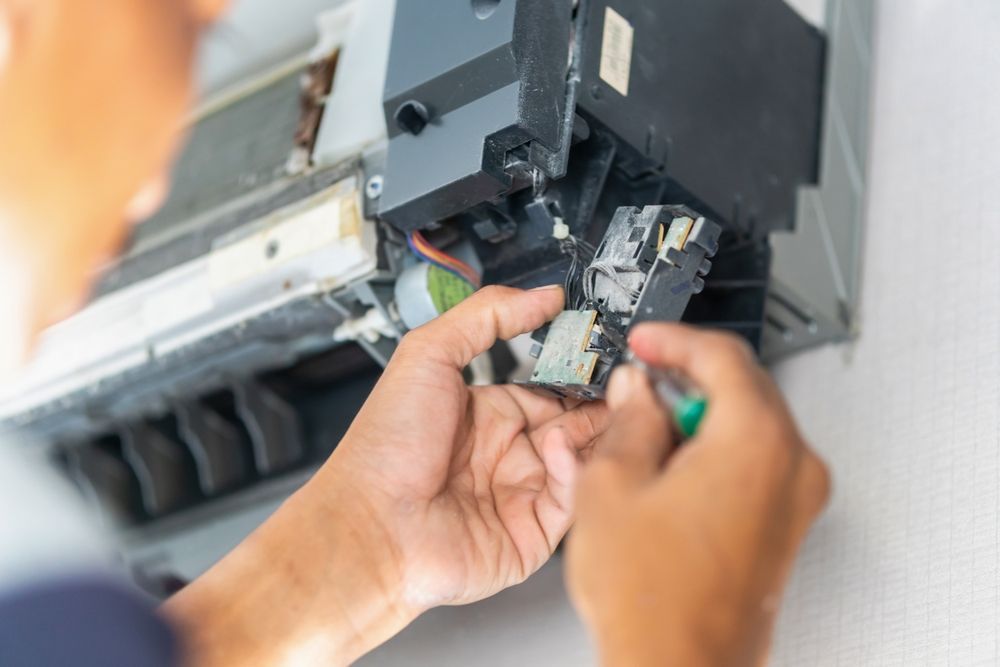
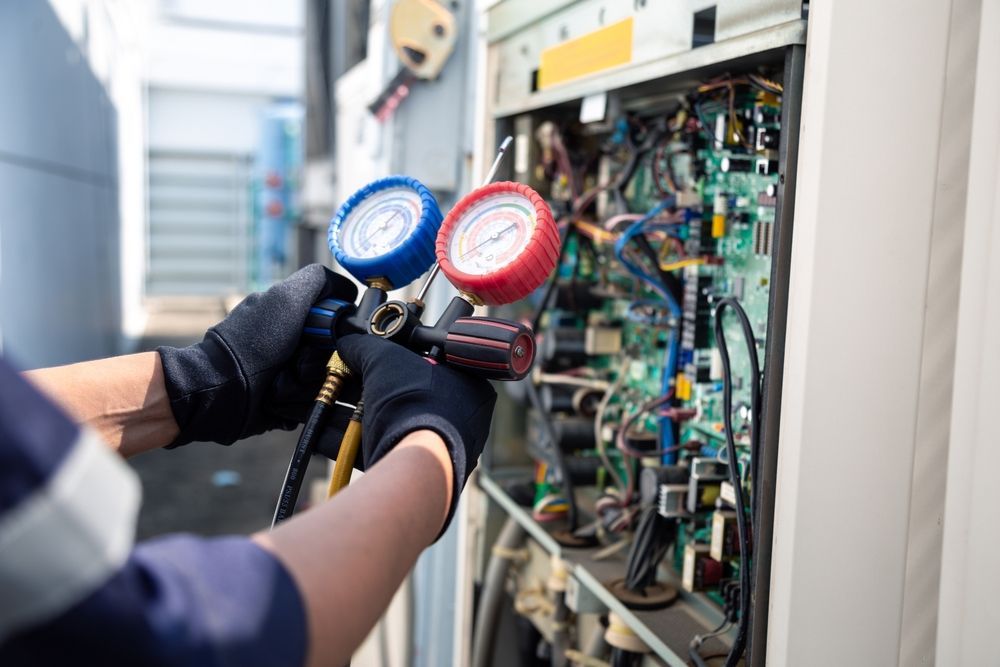
Technician using gauges to service an air conditioning unit; wires and circuits visible.

Building Automation and Smart Infrastructure

Modern building systems use temperature sensors to manage energy use, occupant comfort, and equipment efficiency. Sensors are integrated into smart thermostats, zoning controls, and automated HVAC systems to track temperature changes across rooms and zones.


Accurate sensing allows centralized systems to respond in real time, adjusting airflow or heating based on occupancy or outdoor conditions. Thermistors and RTDs are both used in these setups, depending on the accuracy and range required.

Industrial and Manufacturing Equipment

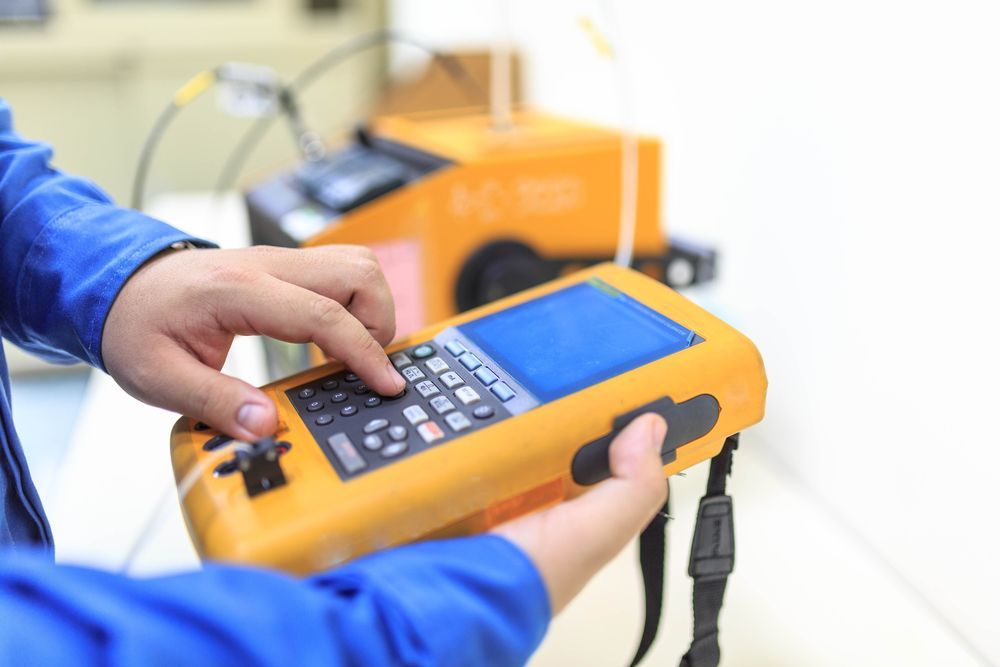
Industrial equipment often operates under extreme or fluctuating temperatures. Sensors are used to monitor motors, bearings, heaters, and process chambers to prevent overheating and maintain stable production conditions.


RTDs are frequently selected for their wide temperature range and long-term stability. Thermistors are also used in applications requiring fast response in tighter temperature bands. Accurate measurement helps reduce downtime, extend equipment life, and maintain product consistency.

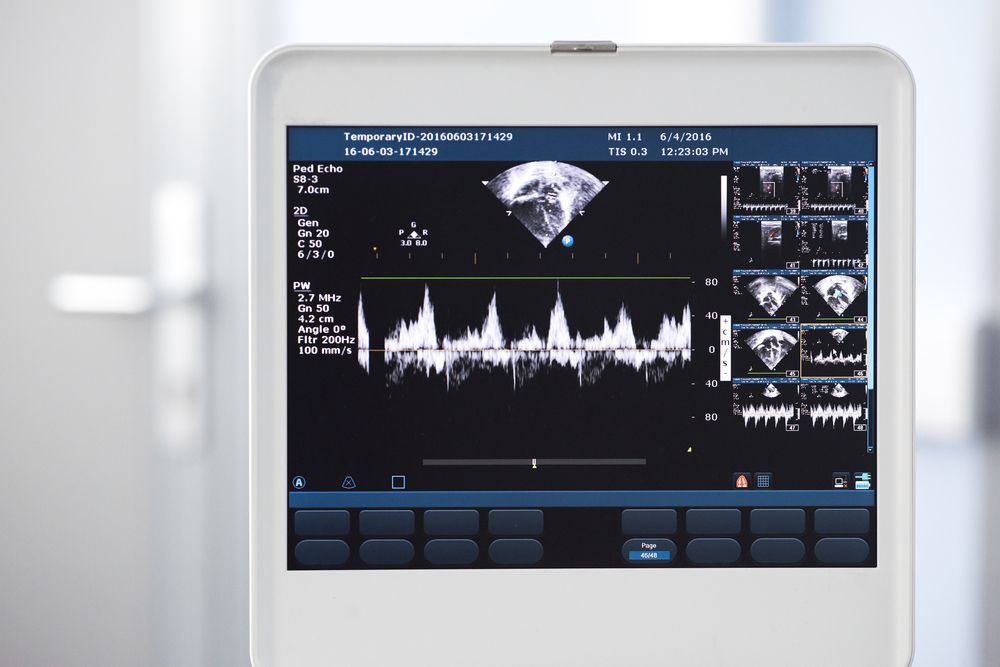
Ultrasound machine screen displaying echocardiogram data.

Medical Devices and Healthcare Applications

Temperature sensors play a key role in patient safety, diagnostic accuracy, and device performance. They are used in equipment such as patient monitoring systems, sterilization units, imaging machines, and laboratory instruments.


NTC thermistors are often chosen for their precision in narrow temperature ranges, making them ideal for applications like body temperature monitoring or sample preservation. Reliability and consistency are especially important in clinical environments where performance cannot vary.

Appliance and Consumer Products

Household and commercial appliances rely on temperature sensors to manage heating, cooling, and safety functions. Common applications include ovens, refrigerators, dishwashers, dryers, and water heaters.


Thermistors are widely used due to their small size and fast response. These sensors help regulate temperature cycles, detect faults, and improve energy efficiency. Accurate control also supports product longevity and user safety.

Food Handling and Processing

Temperature sensors are used throughout food storage, preparation, and transport to meet safety standards and preserve product quality. Sensors monitor conditions in refrigeration units, cooking systems, and holding equipment to keep temperatures within strict limits.


Thermistors and RTDs are selected based on the range and durability required. In environments exposed to moisture or frequent cleaning, sensors must be sealed and built for long-term use without performance drift.

Custom Sensor Solutions for Unique Applications

Some projects require temperature sensors that fall outside standard specifications. A design might need an unusual resistance curve, a special mounting method, or materials that withstand cleaning agents and other environmental factors. Off-the-shelf parts are not always a match for these requirements.


EI Sensor works with OEMs to create thermistors, RTDs, and probe assemblies that align with precise electrical, mechanical, and durability goals. Customization can include unique encapsulation methods, extended temperature ranges, or non-standard lead configurations.

The Value of Partnering with an Experienced Sensor Manufacturer

The right sensor supplier helps keep development on schedule, improves system reliability, and reduces the risk of performance issues. Delays, unclear specifications, or inconsistent parts can create setbacks that are hard to recover from. EI Sensor combines decades of experience with responsive service and a strong focus on application-ready solutions. OEMs across HVAC-R, medical, industrial, and other sectors rely on their thermistors, RTDs, and probe assemblies to meet both standard and highly specific design goals.


To discuss your temperature sensing requirements or request a quote, contact the team at sales@ei-sensor.com.

Connect with us:

Thermometer measuring pool water temperature; blue water, green background.
December 18, 2025
Learn why accurate pool and spa temperature sensors from EI Sensor improve water balance, energy efficiency, equipment performance, and swimmer comfort.
Ultrasound machine displaying heart scan with waveform data.
December 2, 2025
EI Sensor precision temperature sensors keep medical devices accurate, safe, and compliant across monitoring, diagnostics, and sterilization.
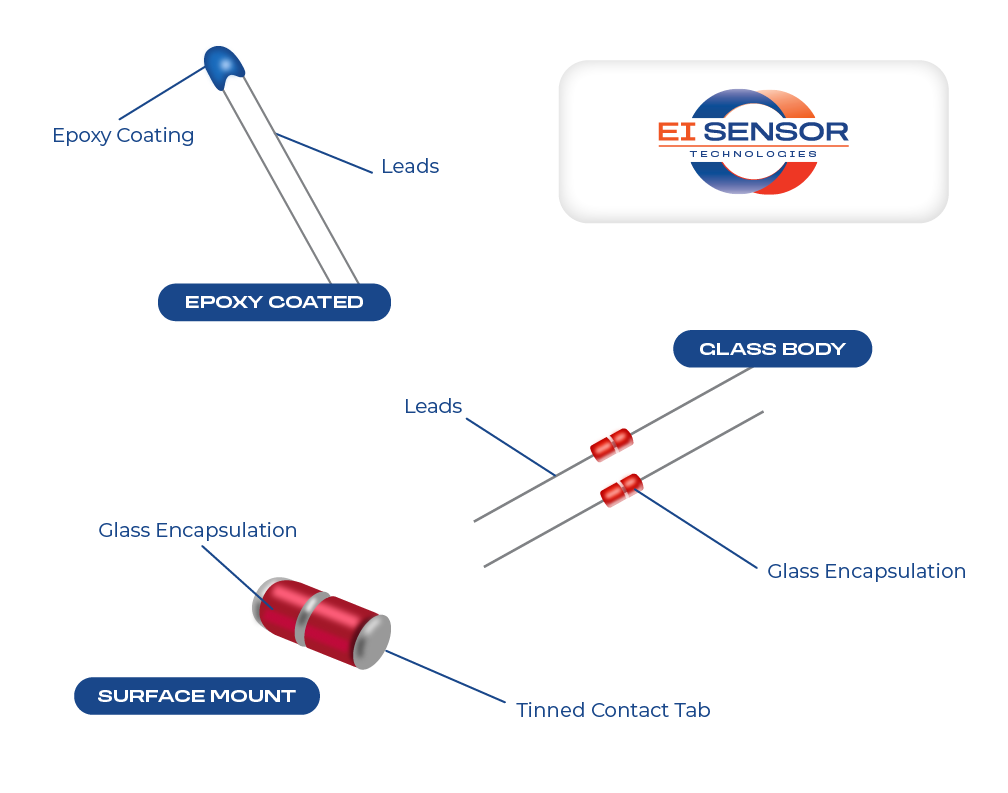
Diagram of EI Sensor temperature sensors. Shows epoxy coated, glass encapsulated, and surface mount versions.
December 1, 2025
Learn how to select the best NTC temperature sensor with EI Sensor, focusing on accuracy, stability, range, and application needs.
Show More