
BLOG

How to Choose the Right NTC Thermistor

December 1, 2025

Share this Article:

Selecting the right NTC thermistor for an application is a critical step in ensuring accurate and reliable temperature measurement. These versatile sensors, also known as NTC temperature sensors, are widely used across industries such as HVAC-R, medical devices, industrial equipment, and appliances. However, with so many types and specifications available, finding the best match for specific needs can feel overwhelming.


Understanding the different types of NTC thermistors, along with key factors like temperature range, accuracy, and stability, can simplify the decision-making process.

Types of NTC Thermistors

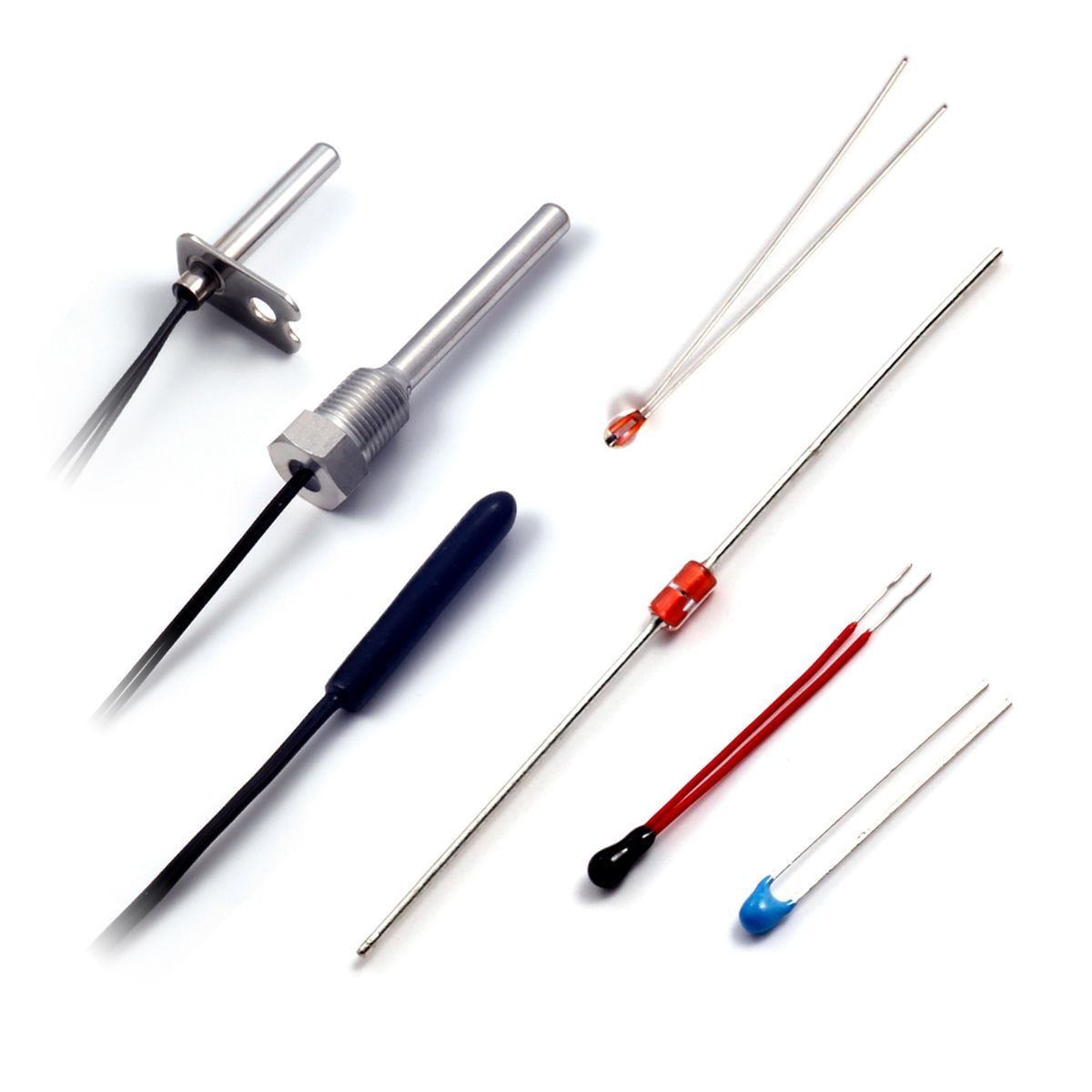
NTC thermistors come in various forms, each designed to meet specific application needs. Understanding the distinctions between these types can help in selecting the right sensor for precise and reliable temperature measurement.

Glass Body / Encapsulated

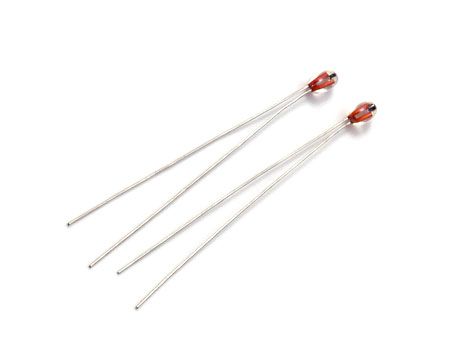
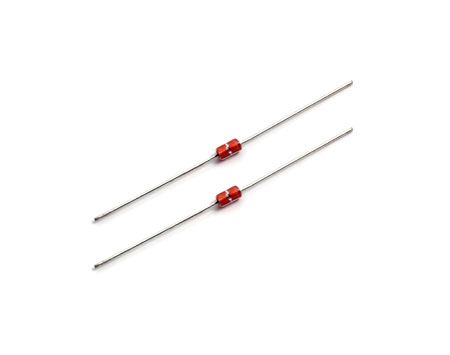
Glass-body NTC thermistors are highly durable and suitable for environments where extreme temperature changes or harsh conditions are present. Encapsulation in glass ensures resistance to thermal shock and mechanical stress, making it ideal for industrial and automotive applications. These thermistors can operate within a wide temperature range, typically up to 300°C, offering exceptional long-term stability.

glass body thermistors
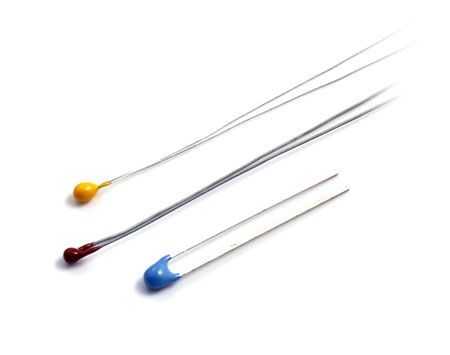
epoxy-coated thermistors

Epoxy Coated

Epoxy-coated NTC thermistors are versatile and cost-effective. They are commonly used in applications up to 150°C, and offer high accuracy solutions. The epoxy coating provides basic protection of the NTC element, making them a good choice for general-purpose applications in appliances, HVAC-R systems, and medical devices.

Surface Mount

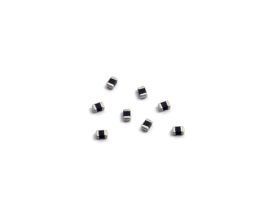
Surface mount NTC thermistors are compact and designed for circuit board integration. They are ideal for applications where space is limited, such as modern electronics, wearable devices, and compact industrial controls. These thermistors are engineered for fast response times and high accuracy, allowing precise temperature monitoring in tight spaces.

surface mount thermistors
thermistor probe

Probe Assemblies

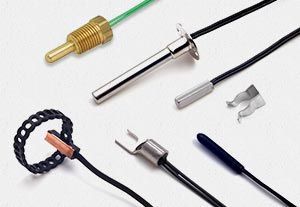
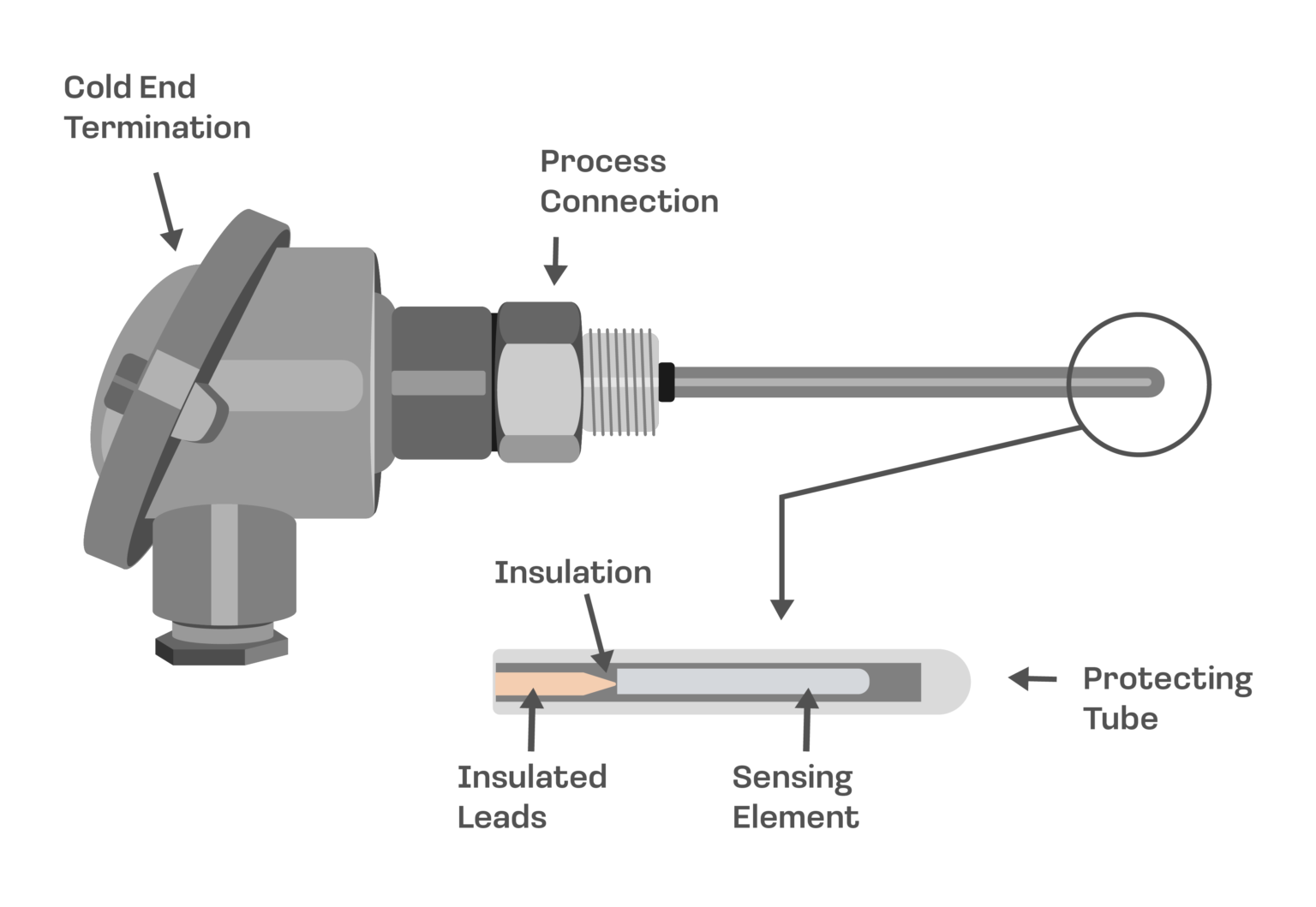
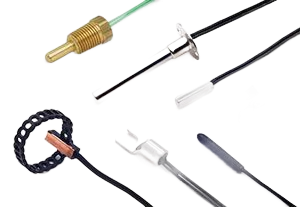
Probe assemblies combine NTC thermistors with protective housings and leads, making them suitable for customized applications. These assemblies are tailored for industries like food handling, medical equipment, and HVAC-R, where precise temperature sensing is essential. With a variety of housing materials and designs, probe assemblies offer flexibility to meet specific environmental or operational demands.

Key Considerations to Make When Choosing an NTC Thermistor

Choosing the best NTC thermistor requires careful evaluation of factors such as temperature range, accuracy, and stability to maintain reliable performance.

Temperature Range

Temperature range is one of the most important factors when choosing an NTC thermistor. Depending on the application, the sensor must operate effectively within specific temperature limits. For example:


  • RTDs are ideal for applications with extreme temperatures (-200°C to +850°C).
  • NTC thermistors, typically suitable for ranges between -55°C to +300°C, excel in high-sensitivity applications within more moderate temperature conditions'


Applications like HVAC systems or medical devices may require a thermistor that performs consistently in both controlled and fluctuating environments.

Accuracy

Accuracy is critical in applications requiring precise temperature control, such as medical devices or industrial systems. An NTC thermistor can offer greater accuracy but may come at a higher cost. Evaluating the acceptable margin of error for the application helps in balancing performance and budgetary requirements.

Stability

Thermal and electrical stability are essential for long-term performance. Inconsistent readings or drifting resistance values over time can compromise reliability. Glass body NTC thermistors, for example, offer superior stability, making them ideal for demanding environments with frequent temperature fluctuations.

Packaging

The physical packaging of the thermistor should align with the application's requirements. Consider whether a surface mount, epoxy-coated, or probe assembly type is better suited for installation, handling, and durability in the specific environment.


Custom packaging options, such as thermistors integrated with specialized connectors or housings, can further enhance ease of use and compatibility with existing systems.

Additional Considerations

In addition to the primary factors like temperature range, accuracy, and stability, there are several other considerations that play a crucial role in selecting the right NTC thermistor for an application.

Leads

The type and length of leads can impact how the thermistor is connected to a system. For instance:


  • Bare leads provide flexibility for custom installations but may require additional insulation.
  • Insulated leads offer protection in environments where exposure to moisture, vibration, or other conditions is a concern.


Choosing the appropriate lead configuration ensures compatibility with the intended assembly and operating environment.

Coating

Coating material affects the durability and environmental resistance of the thermistor.


  • Epoxy coatings offer basic moisture resistance and are suitable for less demanding conditions.
  • Glass coatings provide superior protection against thermal shocks, mechanical stress, and harsh environments.


The right coating depends on the application's exposure to external elements and required longevity. Applications exposed to saline environments, such as marine equipment, often require thermistors with specialized coatings for corrosion resistance.

The R25 value refers to the resistance of the thermistor at 25°C and is a key parameter for matching a thermistor to its intended use. A higher or lower R25 value can affect the sensitivity and operating range of the sensor. This characteristic must align with the application's specific requirements to achieve accurate temperature measurements.

Let’s Discuss Your Temperature Sensing Needs!

Finding the right NTC thermistor is essential for achieving accurate and reliable temperature measurements. Considering factors such as temperature range, accuracy, stability, and application-specific requirements, helps ensure optimal performance.


EI Sensor Technologies offers the expertise and innovative solutions needed to meet both standard and custom temperature sensing needs. Contact us at sales@ei-sensor.com to discuss your application or request a quote today!

Connect with us:

Electric vehicle charging with glowing interface, blue highlights.
November 25, 2025
EI Sensor thermistors enhance electric vehicle efficiency through precise temperature control that supports safer batteries and reliable EV performance.
There are many different types of thermometers on a white surface.
By EI Sensor August 1, 2025
Learn what a thermistor probe is, how it works, and why it’s ideal for accurate temperature sensing in industrial, medical, and HVAC applications.
A blue and orange logo for ei sensor technologies
By EI Sensor July 30, 2025
Upcoming event
Show More