BLOG
February 19, 2026
Share this Article:
Fire safety systems are designed to detect threats early, activate alarms, and help protect people and property. At the core of many of these systems are components that respond to changes in temperature. Thermistors, a type of temperature sensor, are widely used in fire detection because of their accuracy, speed, and long-term reliability. Fire safety devices often operate under strict regulatory standards. The sensors used must meet precise response times and accuracy levels to comply with industry codes and provide dependable protection. Understanding how thermistors function and why they’re chosen over other sensor types helps explain their important role in modern fire safety technology.
Understanding Thermistors
Thermistors are temperature-sensitive resistors. Their resistance changes when the surrounding temperature changes. There are two main types: Negative Temperature Coefficient (NTC) thermistors, which decrease in resistance as temperature rises, and Positive Temperature Coefficient (PTC) thermistors, which increase in resistance with heat.
This behavior makes them especially useful in applications that need fast and reliable temperature detection.
NTC thermistors are commonly used in fire safety devices because they offer high sensitivity in lower temperature ranges, which helps detect the earliest signs of heat buildup.

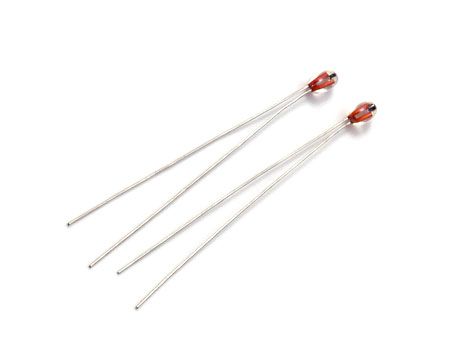
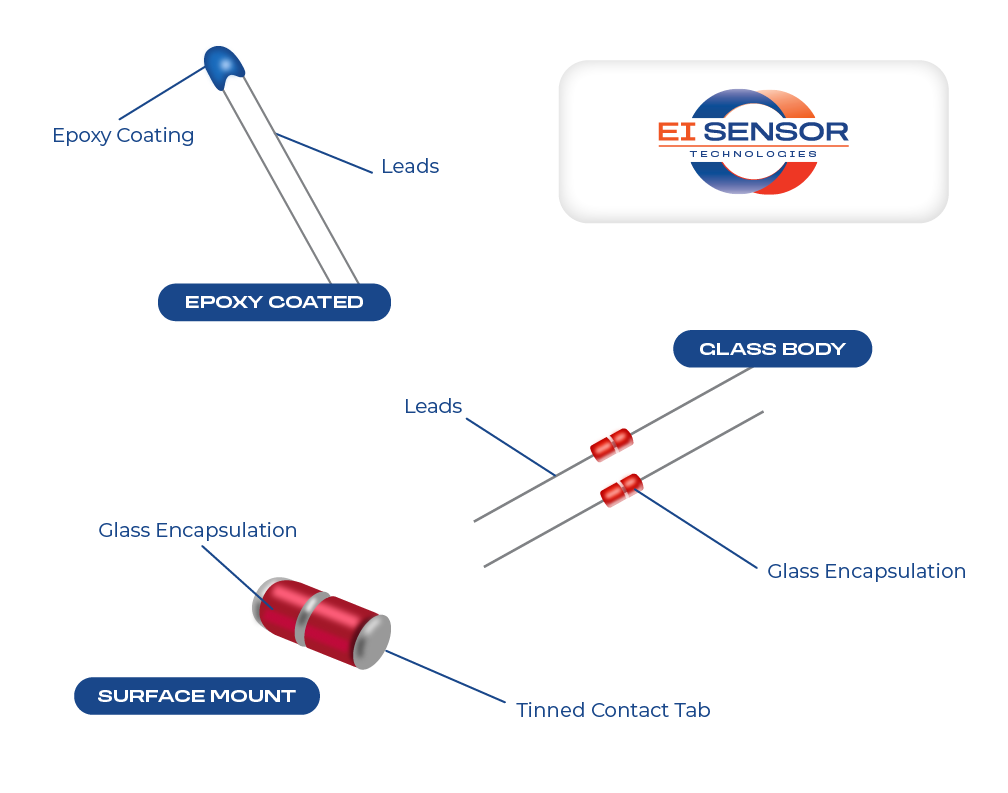
The performance of a thermistor depends on the materials used during manufacturing, which are selected for predictable and stable resistance behavior. EI Sensor offers thermistors with tightly controlled resistance curves to meet a range of fire safety design requirements.
Thermistors are also compact, stable over time, and relatively simple to integrate into circuits. These features make them a practical solution for many industries looking to monitor temperature, control systems, or trigger alarms.
Fire Safety Devices That Use Thermistors
Thermistors are commonly found in devices designed to detect heat, smoke, or flame. In many smoke detectors, heat detectors, and fire alarms, thermistors serve as the component that senses a rapid rise in temperature. Once a threshold is reached, the system sends a signal to activate an alert or initiate a safety response.
Sprinkler systems can also use thermistors to monitor ambient temperature and trigger water flow when heat from a fire is detected. Some flame detectors use them in combination with infrared sensors to improve accuracy and reduce false alarms.
In newer smart detection systems, thermistors continue to provide reliable temperature sensing, even in compact wireless designs. Their durability allows them to perform in enclosed housings exposed to dust, humidity, or vibration.
In commercial buildings, industrial settings, and even residential systems, thermistors help these devices operate more reliably. Their quick reaction to temperature shifts allows systems to activate sooner, giving people more time to respond.

Thermistors vs. Other Temperature Sensors
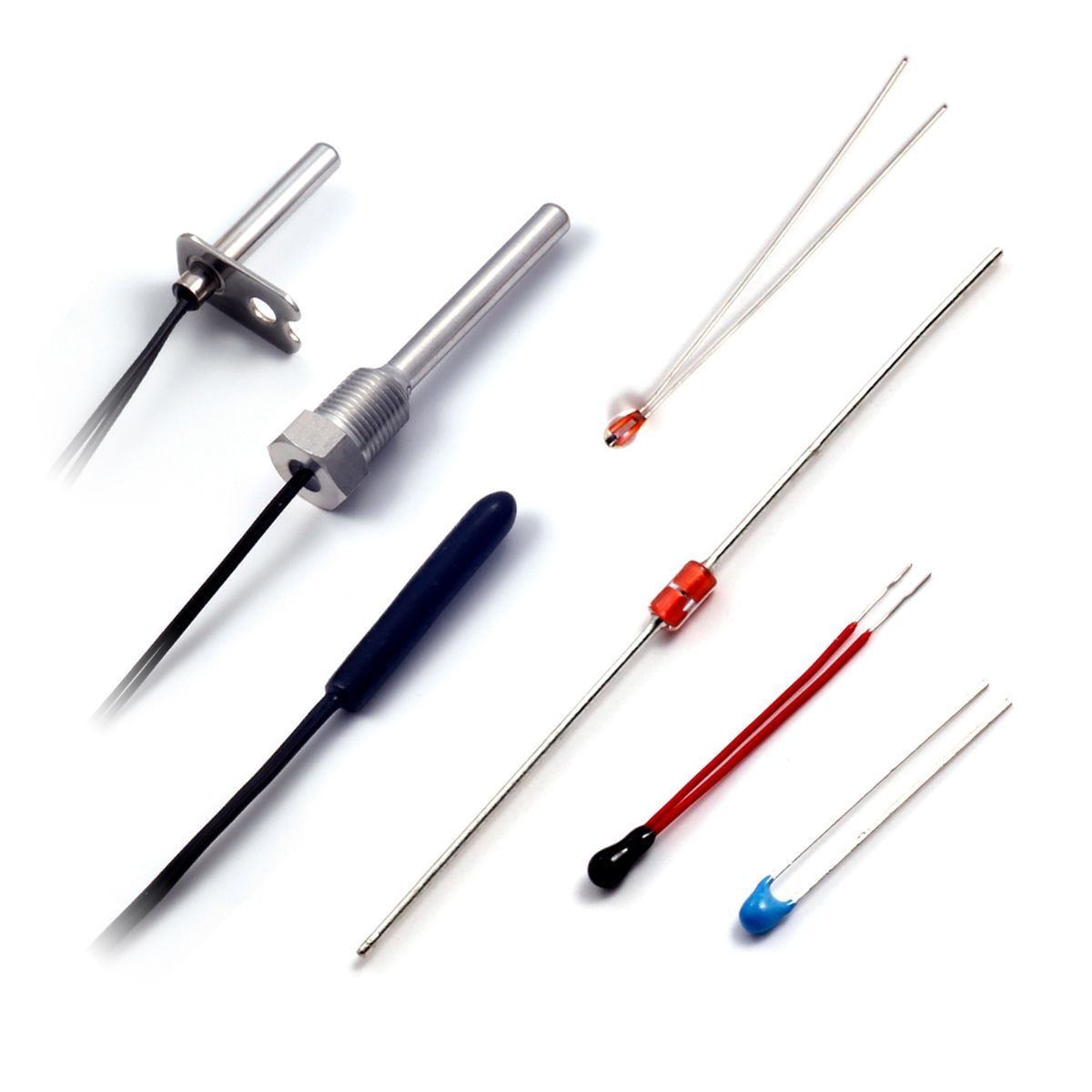
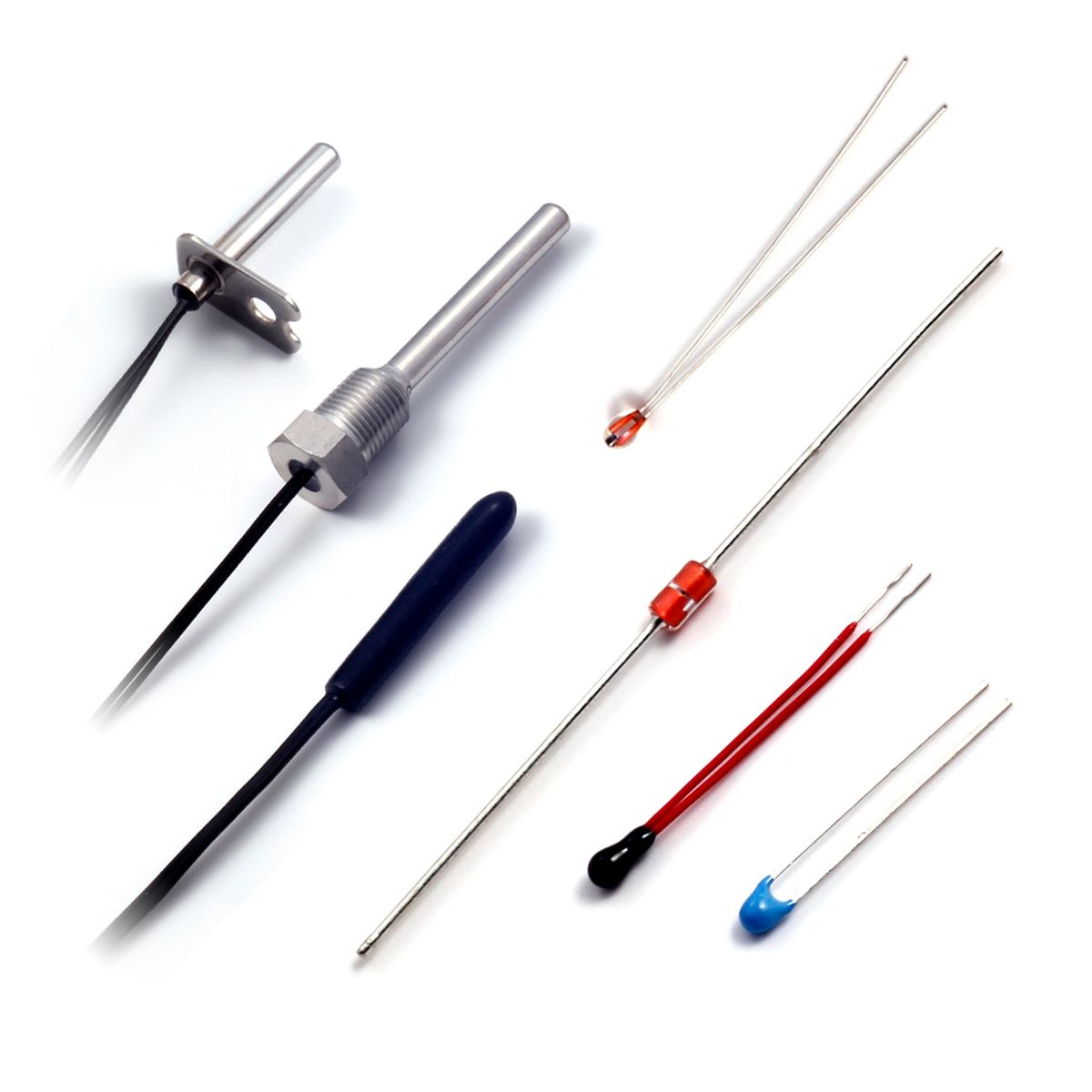
When designing fire safety systems, choosing the right type of temperature sensor matters. Thermistors, RTDs (Resistance Temperature Detectors), and thermocouples are three common options, each suited for different tasks.
RTDs offer high accuracy over a wide range of temperatures but are generally larger and slower to respond than thermistors. Thermocouples can handle extreme heat and are useful in high-temperature industrial environments, but they may lack the sensitivity needed for early-stage fire detection.
Thermistors stand out in fire safety because they combine speed, sensitivity, and compact size. They react faster than RTDs and are more precise at lower temperature ranges than thermocouples. For many fire detection systems, that makes thermistors the more practical choice, especially in enclosed or densely packed devices.
Thermistors are also more cost-effective in high-volume manufacturing, which makes them ideal for consumer and commercial fire safety products. Their resistance profiles can be tailored to meet specific setpoints, something that's harder to achieve with other sensor types.
EI Sensor’s Expertise in Fire Safety Applications
EI Sensor Technologies supports OEMs across multiple industries where fire detection plays a key role in protecting people, equipment, and facilities. Our thermistors are built to meet the performance needs of fire safety equipment that depends on accurate, fast-responding temperature sensors.
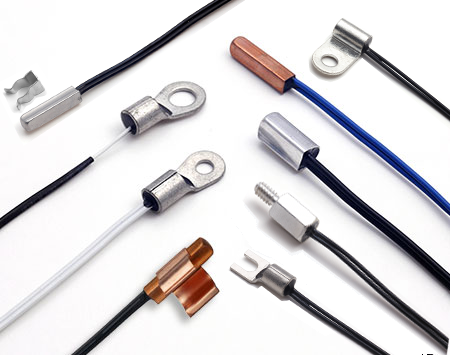
A wide range of NTC thermistors and thermistor probe assemblies are available to support different fire safety applications. Sensor characteristics such as response speed, thermal time constant, and resistance curves can be tailored to meet specific system requirements.
Standard components don’t always fit the design or performance needs of every product. EI Sensor works directly with engineering teams to develop thermistor-based solutions that match custom specifications. These solutions often address space limitations, harsh environments, or temperature thresholds that require tightly controlled detection points.
Our team brings decades of hands-on experience to each project and helps customers make confident decisions around sensor design. When speed, stability, and reliability matter, we help simplify the process of finding the right fit.
Let’s Talk About Your Application Needs
If you’re working on a fire safety device and need reliable, accurate temperature sensing, we can help. EI Sensor specializes in thermistor solutions built for fast response and dependable performance in demanding environments.
Email us at sales@ei-sensor.com to
discuss your application or request engineering support.