BLOG
October 28, 2026
Share this Article:
Thermal runaway can develop quickly once heat builds faster than a system can release it. Thermistors give control systems temperature data that can help identify abnormal heating before conditions worsen. Their effectiveness depends on sensor type, placement, response time, packaging, and the control strategy tied to the reading. In battery packs and other heat-sensitive equipment, those details can determine how early a system reacts.
What Is Thermal Runaway and Why Does It Happen?

Thermal runaway occurs when rising temperature triggers processes that generate additional heat, creating a cycle that can accelerate rapidly. In lithium-ion batteries, potential causes include internal short circuits, overcharging, physical damage, excessive current, or exposure to high temperatures.
Once heat generation exceeds the system’s ability to dissipate it, temperatures can climb quickly. The exact onset temperature varies based on cell chemistry, construction, state of charge, and operating conditions, so relying on one universal temperature threshold can create a false sense of protection.
Why Early Temperature Detection Matters
A control system needs time to respond before abnormal heating progresses into a more severe condition. Early temperature detection gives it an opportunity to reduce current, activate cooling, issue a warning, or shut equipment down when programmed to do so.
Temperature rise can also be localized. One area of a battery pack or electrical assembly may heat faster than surrounding components. Monitoring the right locations helps the system identify developing hot spots sooner rather than waiting for heat to spread.
How Thermistors Detect Dangerous Temperature Changes
A thermistor changes resistance in response to temperature. The control system measures that resistance and converts it into temperature data using the thermistor’s resistance-temperature curve.
This data can reveal excessive heat or a rapid temperature increase. A battery management system, for example, can compare readings against programmed limits and trigger a protective response when temperatures move outside the acceptable range. The thermistor provides the measurement; the control system determines what happens next.
Monitoring the rate of temperature change can provide additional information. A temperature that remains below a programmed upper limit may still deserve attention if it is climbing unusually fast. Systems using multiple thermistors can also compare readings from different locations to identify an area heating faster than the rest of the assembly.
NTC vs. PTC Thermistors for Thermal Protection
NTC and PTC thermistors respond differently to rising temperatures. An NTC thermistor decreases in resistance as temperature increases, making it useful for continuous temperature monitoring across a defined range.
A
PTC thermistor increases in resistance as temperature rises, often sharply near a specified temperature. This behavior suits applications that need overtemperature detection or circuit protection. Choosing between NTC and PTC technology depends on the type of temperature feedback and protective response the equipment requires.
How Thermistors Work With Battery Management and Control Systems
In a battery pack, a thermistor sends changing resistance data to the battery management system (BMS). The BMS interprets that signal according to the thermistor’s resistance-temperature characteristics and programmed temperature limits.
When readings indicate unsafe heating, the BMS can reduce charging or discharging current, activate cooling, trigger an alert, or shut down part of the system. The quality of that response starts with reliable temperature data from properly selected and positioned sensors.
Sensor Placement, Response Time, and Packaging Matter
A thermistor can only detect the temperature at its sensing location. If a hot spot develops elsewhere in a battery pack, the sensor may not register the change until heat reaches it. Larger assemblies may require several sensing points for useful temperature monitoring.
Placement should reflect where heat is likely to develop and what temperature the control system needs to monitor. Cell surfaces, interior areas of a battery pack, electrical connections, motor windings, and heat-producing power components can experience different temperatures during operation. A convenient mounting location may not provide the most representative reading.
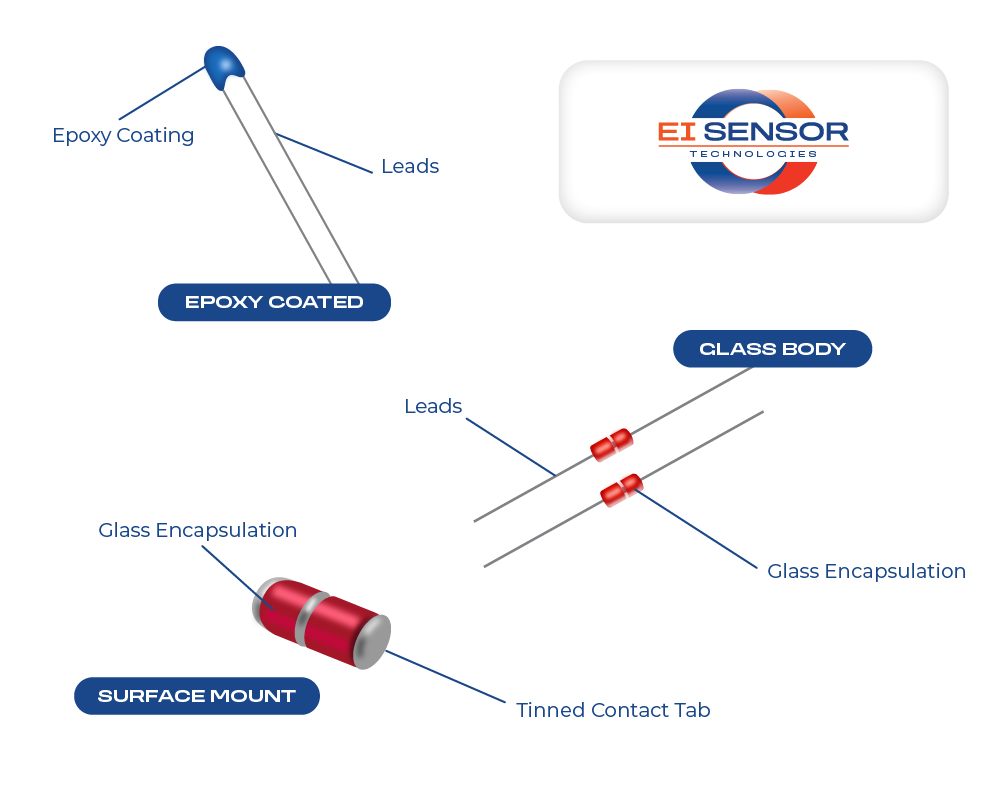
Response time also depends on thermal contact and packaging. Excess encapsulation or poor contact can slow heat transfer to the sensing element. Packaging should provide the required moisture resistance and mechanical protection without creating unnecessary thermal lag.
Choosing the Right Thermistor for Thermal Runaway Protection
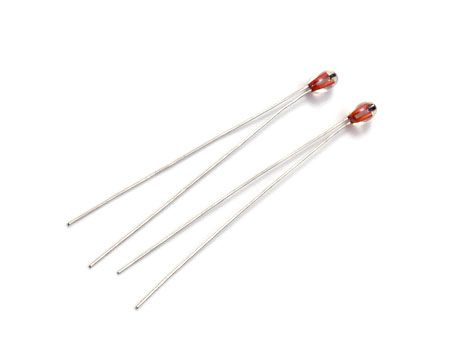
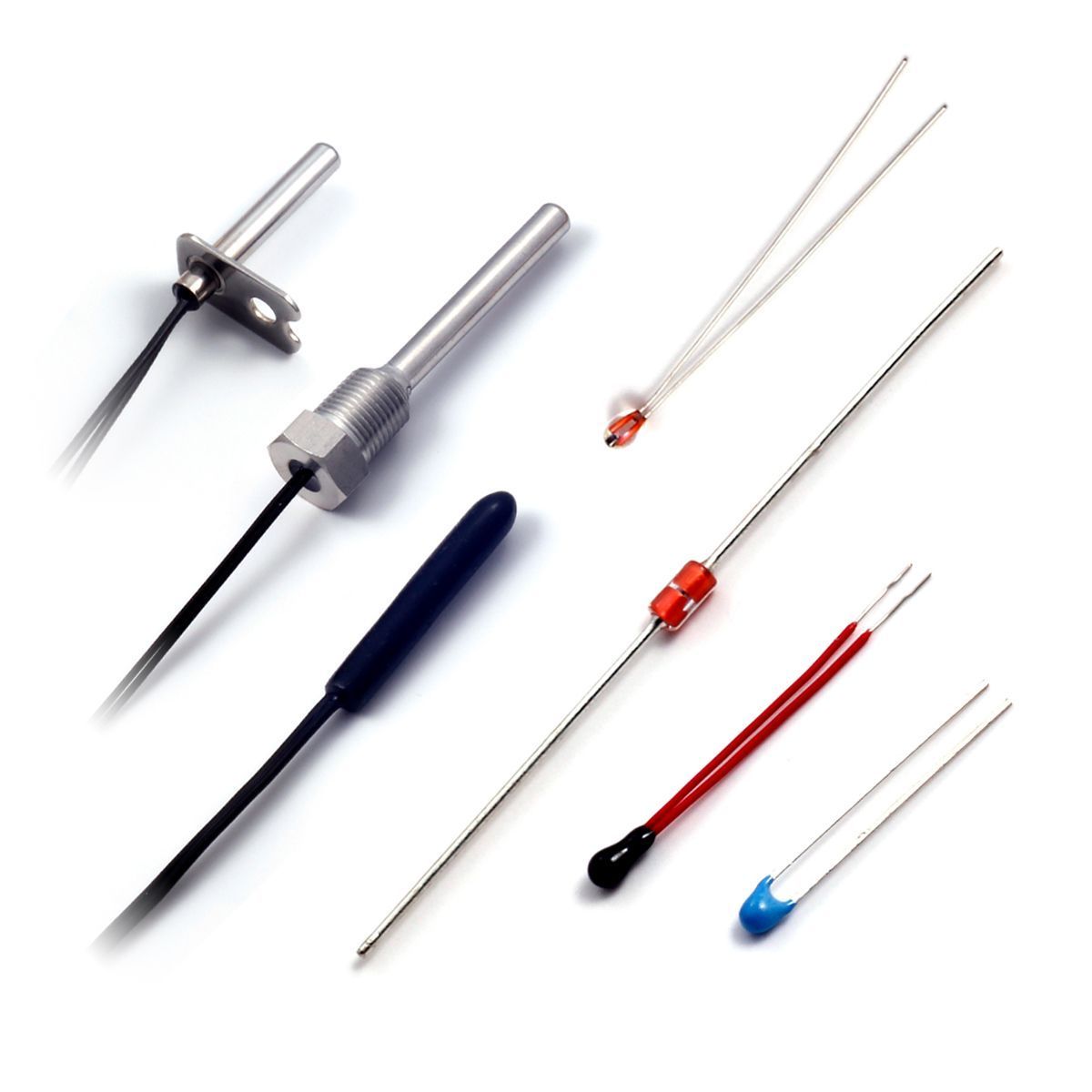
A “10K NTC” specification does not provide enough information to select a sensor. Engineers also need to consider the Beta value, resistance-temperature curve, tolerance, operating range, response time, and physical construction.
The mounting method matters too. A sensor attached to a cell surface may need different packaging than one installed near a motor winding or power component. Matching the thermistor’s electrical and physical characteristics to the application gives the control system more useful temperature data.
Applications Beyond Lithium-Ion Batteries
Thermal protection is important anywhere excess heat can damage equipment, shorten component life, or create unsafe operating conditions. Thermistors can monitor motor windings, power electronics, HVAC-R equipment, appliances, industrial machinery, chargers, and power supplies.
For example, a PTC thermistor placed near a motor winding can help a control circuit identify an overtemperature condition. NTC thermistors can provide continuous temperature feedback in equipment where controllers need to track temperature changes throughout operation.
Build a More Reliable Temperature Monitoring Solution With EI Sensor
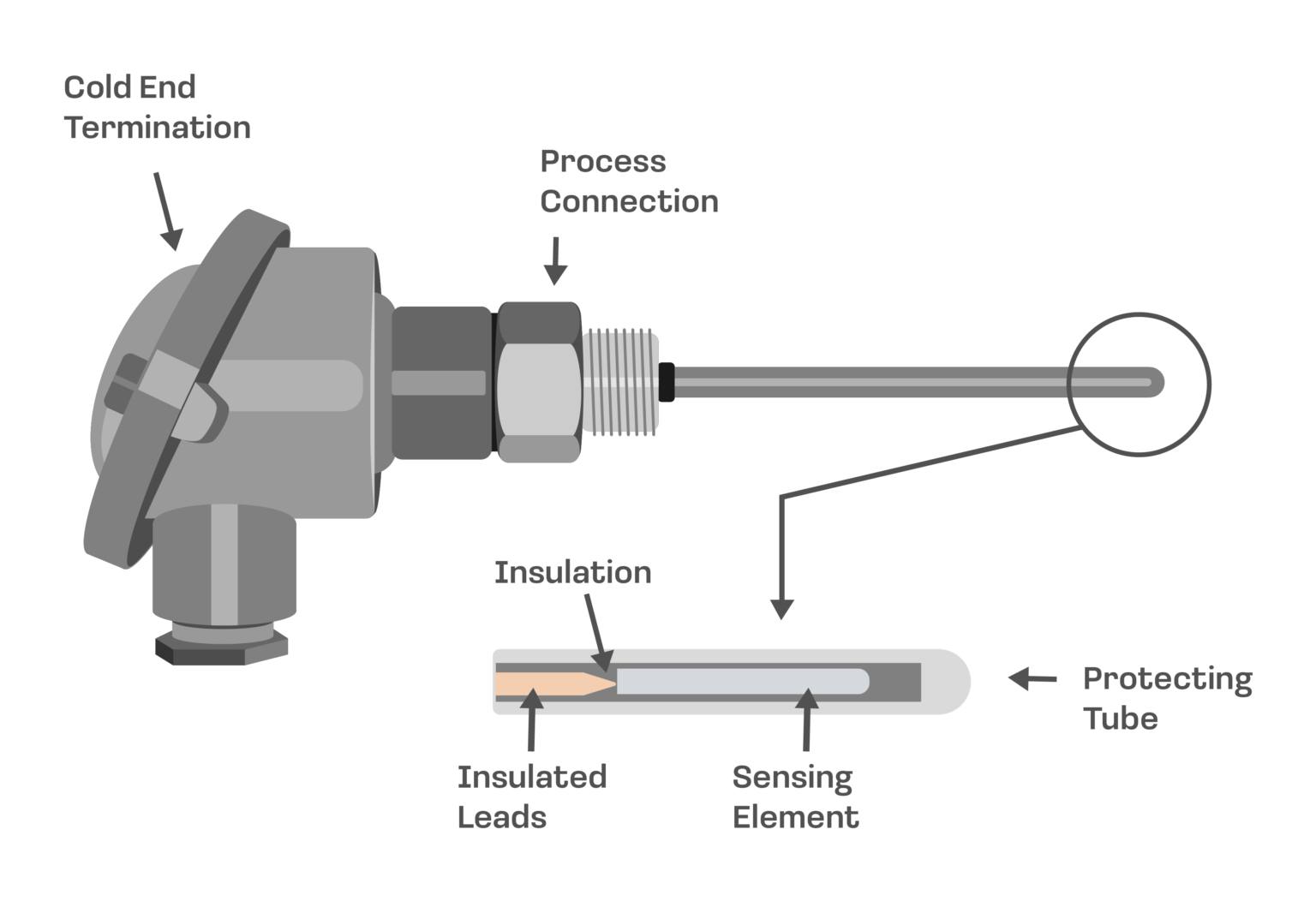
Effective temperature monitoring starts with a thermistor suited to the equipment, temperature range, response requirements, and mounting location. EI Sensor Technologies offers NTC and PTC thermistors plus custom thermistor probe assemblies for OEM applications.
For applications requiring specific resistance characteristics, packaging, leads, mounting configurations, or probe construction, EI Sensor can help develop a sensor around the project requirements. Email sales@ei-sensor.com
for a quote or engineering assistance.