BLOG
September 21, 2026
Share this Article:
Temperature sensing decisions often start from a practical problem. Equipment may face extreme heat, rapid temperature changes, vibration, or operating conditions that make accurate measurement more difficult. An OEM developing a new system may also need to decide which sensor technology makes the most sense for its temperature range, response requirements, and design.
Thermocouples are one option engineers frequently consider for these situations. Knowing where they fit starts with looking at how they work, the different types available, and how their characteristics compare to thermistors and RTDs.
What is a Thermocouple?
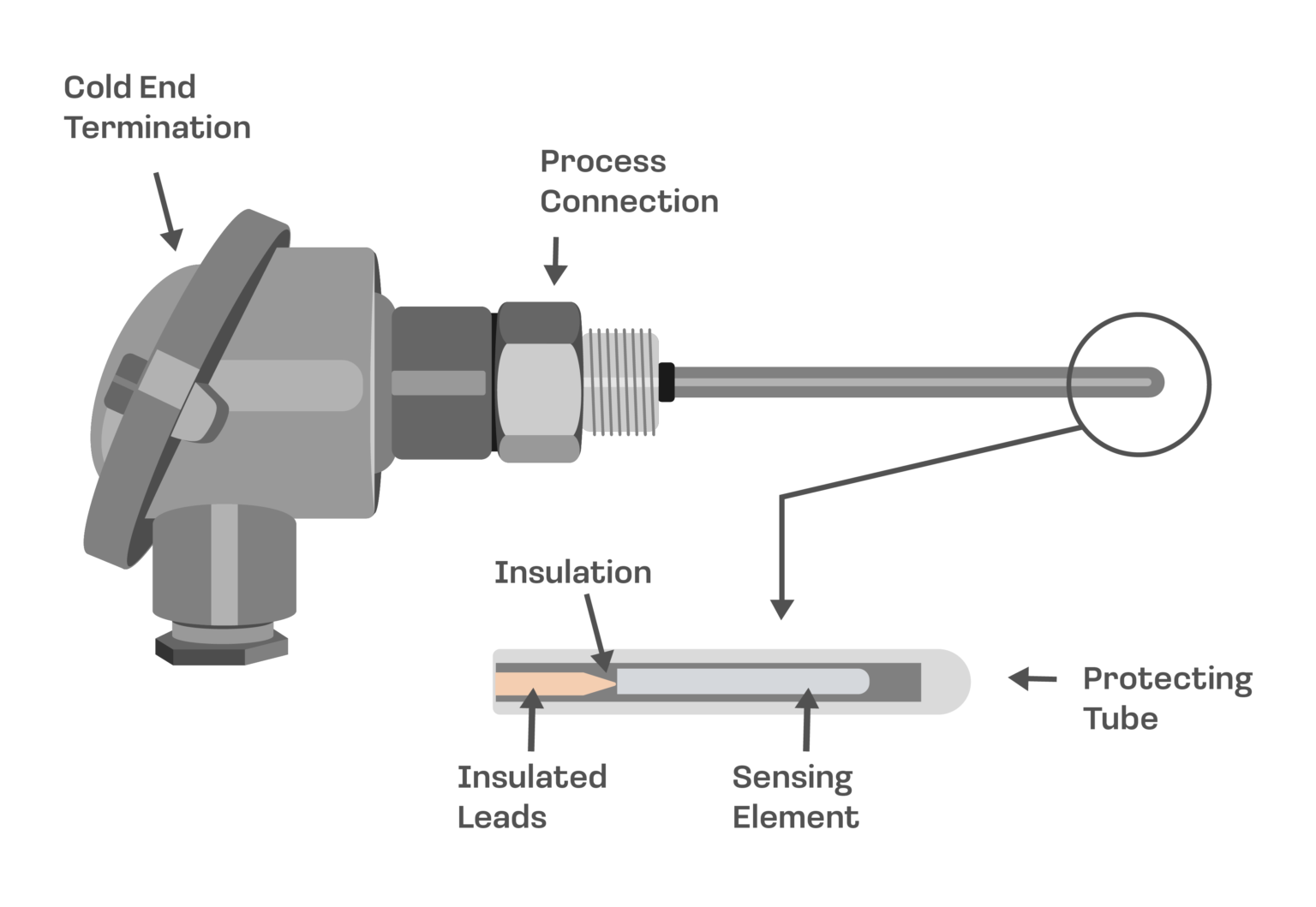
A thermocouple is a temperature sensor made from two dissimilar metal conductors joined at a sensing junction. When that junction experiences a change in temperature, it produces a small electrical voltage. That voltage corresponds to the temperature at the sensing point and can be interpreted through compatible instrumentation.
Thermocouples are available in several standardized types, each using a different combination of metals. These material combinations affect temperature range, accuracy, stability, and suitability for specific operating conditions. This gives engineers several options when matching a thermocouple to an application.
How Does a Thermocouple Work?
A thermocouple operates through the Seebeck effect. When two different metals are joined and their junctions experience different temperatures, they generate a measurable voltage. The amount of voltage changes according to the temperature difference.
Measurement equipment reads this electrical signal and converts it into a temperature value. Since thermocouples measure a temperature difference rather than an absolute temperature directly, the system uses cold-junction compensation to account for the temperature at the reference connection.
The metals used determine the thermocouple type and influence its operating characteristics. This is why selecting the proper type matters for temperature range, environment, and measurement performance.
Types of Thermocouples
Thermocouples are classified according to the two metals used in their construction. Common types include K, T, C, E, J, N, R, S, and B. Each type has its own temperature range, sensitivity, and material characteristics.
Some thermocouple types are well suited for general industrial temperature measurement, while others are designed for very high or low temperatures. Operating atmosphere can also influence the appropriate choice. Understanding these differences helps engineers narrow down the sensor type that fits their equipment and measurement goals.
K Type
Type K thermocouples use Chromel and Alumel conductors. They are among the most commonly used thermocouples due to their broad temperature range, durability, and versatility. Type K sensors can measure temperatures from approximately -200°C to 1,260°C, depending on construction and operating conditions. They are commonly found in industrial equipment, HVAC systems, furnaces, and other applications that require measurement across a wide temperature range.
J Type
Type J thermocouples use iron and constantan conductors. They typically measure temperatures from approximately -40°C to 750°C, depending on construction and operating conditions. Their practical temperature range makes them a common choice for industrial equipment, manufacturing processes, and older control systems. The iron conductor can oxidize at higher temperatures, so the operating environment should be considered during sensor selection.
T Type
Type T thermocouples use copper and constantan conductors. They offer good stability at lower temperatures and typically operate from approximately -200°C to 350°C, depending on sensor construction and application conditions. Type T thermocouples are often used for refrigeration, food processing, laboratory equipment, and other applications where dependable low-temperature measurement is important.
C Type
Type C thermocouples use tungsten-rhenium alloy conductors and are designed for extremely high-temperature measurement. Depending on construction and operating conditions, they can measure temperatures approaching 2,300°C. Type C thermocouples are commonly used in vacuum furnaces, high-temperature research, aerospace testing, and other applications where conventional thermocouple materials may reach their operating limits.
E Type
Type E thermocouples use Chromel and constantan conductors. They produce a relatively high voltage output compared to many other thermocouple types, making them useful when strong signal sensitivity is preferred. Their typical operating range extends from approximately -200°C to 900°C, depending on construction and operating conditions. Common uses include industrial equipment, laboratory testing, and low-temperature measurement.
N Type
Type N thermocouples use Nicrosil and Nisil conductors. They typically operate from approximately -200°C to 1,300°C, depending on construction and operating conditions. Type N thermocouples offer good stability at elevated temperatures and resistance to oxidation, making them suitable for furnaces, industrial processing equipment, and other high-temperature applications.
R Type
Type R thermocouples use platinum-rhodium and platinum conductors. They are designed for high-temperature measurement and typically operate from approximately 0°C to 1,600°C, depending on sensor construction and operating conditions. Their stability and performance at elevated temperatures make them suitable for furnaces, heat treatment equipment, laboratory testing, and industrial processes where precise temperature measurement is a priority.
S Type
Type S thermocouples use platinum-rhodium and platinum conductors. They typically operate from approximately 0°C to 1,600°C, depending on sensor construction and operating conditions. Their stability at high temperatures makes them a common choice for furnaces, laboratory equipment, metal processing, and other applications requiring precise temperature measurement at elevated temperatures.
B Type
Type B thermocouples use platinum-rhodium alloys and are intended for very high-temperature measurement. They can typically measure temperatures from approximately 600°C to 1,700°C, depending on construction and operating conditions. Their high-temperature stability makes them useful for industrial furnaces, kilns, metal processing, and other equipment operating at extreme temperatures.
Thermocouples vs Thermistors vs RTDs
Choosing between a thermocouple, thermistor, and RTD comes down to the temperature range, accuracy requirements, response needs, and operating environment of the application.
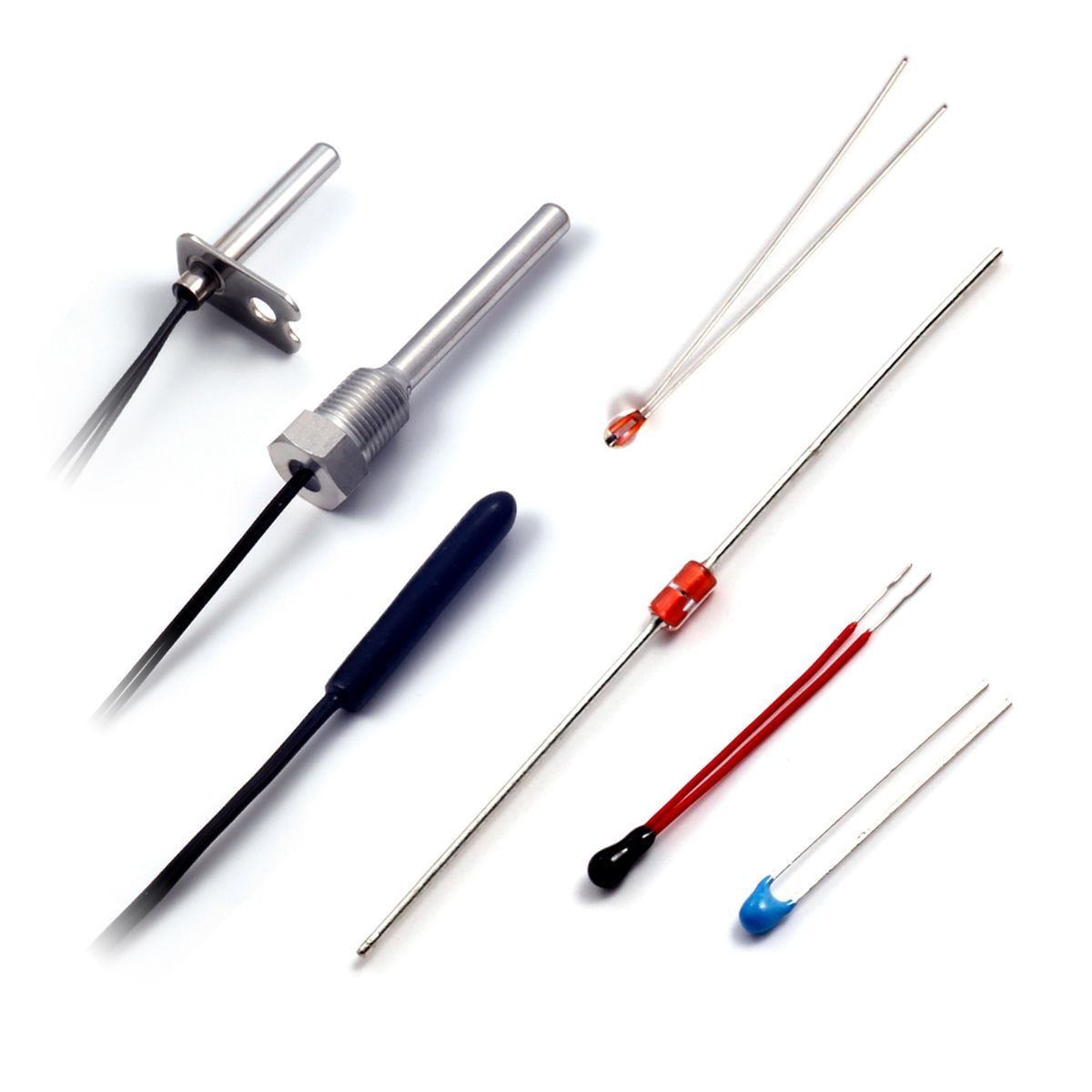
Thermocouples generally cover the widest temperature ranges and can perform well in high-temperature environments. Thermistors offer high sensitivity across more limited temperature ranges, making them a practical option for HVAC-R, appliances, medical equipment, and other temperature monitoring or control applications. RTDs are valued for accuracy, stability, and repeatability across a broad operating range.
No single sensor technology fits every application. EI Sensor works closely alongside OEMs to evaluate temperature requirements and develop sensor solutions suited to their equipment, performance goals, and operating conditions.
Applications of Thermocouples
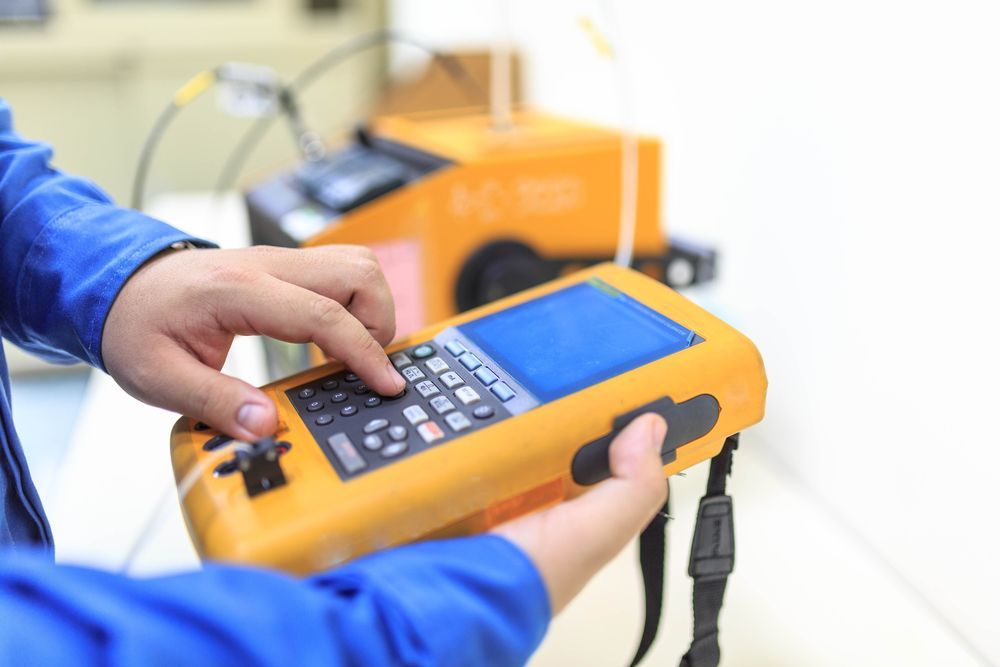
Thermocouples are used across industrial process equipment, furnaces and kilns, HVAC-R systems, food processing equipment, laboratory instruments, aerospace testing, and manufacturing machinery. Their broad selection of material combinations makes them useful in applications ranging from low-temperature monitoring to extreme heat.
Selecting the right thermocouple depends on the equipment, operating environment, and measurement goals. EI Sensor brings decades of temperature sensing experience to OEM projects, helping customers find practical solutions for challenging applications.
For thermocouple engineering assistance or help discussing your temperature sensing needs, email sales@ei-sensor.com.