BLOG
October 21, 2026
Share this Article:
In fast-changing processes, a delayed temperature reading can lead to overshoot, missed temperature changes, or inconsistent control. This delay, known as thermal lag, is influenced by sensor construction, thermal mass, probe materials, placement, and thermal contact. Managing these factors helps OEM engineers achieve faster, more representative temperature readings while accounting for accuracy, durability, and operating conditions.In fast-changing processes, a delayed temperature reading can lead to overshoot, missed temperature changes, or inconsistent control. This delay, known as thermal lag, is influenced by sensor construction, thermal mass, probe materials, placement, and thermal contact. Managing these factors helps OEM engineers achieve faster, more representative temperature readings while accounting for accuracy, durability, and operating conditions.
What Is Thermal Lag in Temperature Measurement?
Thermal lag is the delay between a temperature change in the measured environment and the sensor registering that change. The sensing element needs time to absorb or release heat before its reading reflects the new temperature.
Response is often described using a thermal time constant, which indicates how long a sensor takes to reach about 63.2% of a step change in temperature. Test conditions matter when comparing these values. A probe tested in moving liquid may respond much faster than the same probe in still air because heat transfers differently between the surrounding medium and sensor.
Why Thermal Lag Matters in Fast-Response Applications
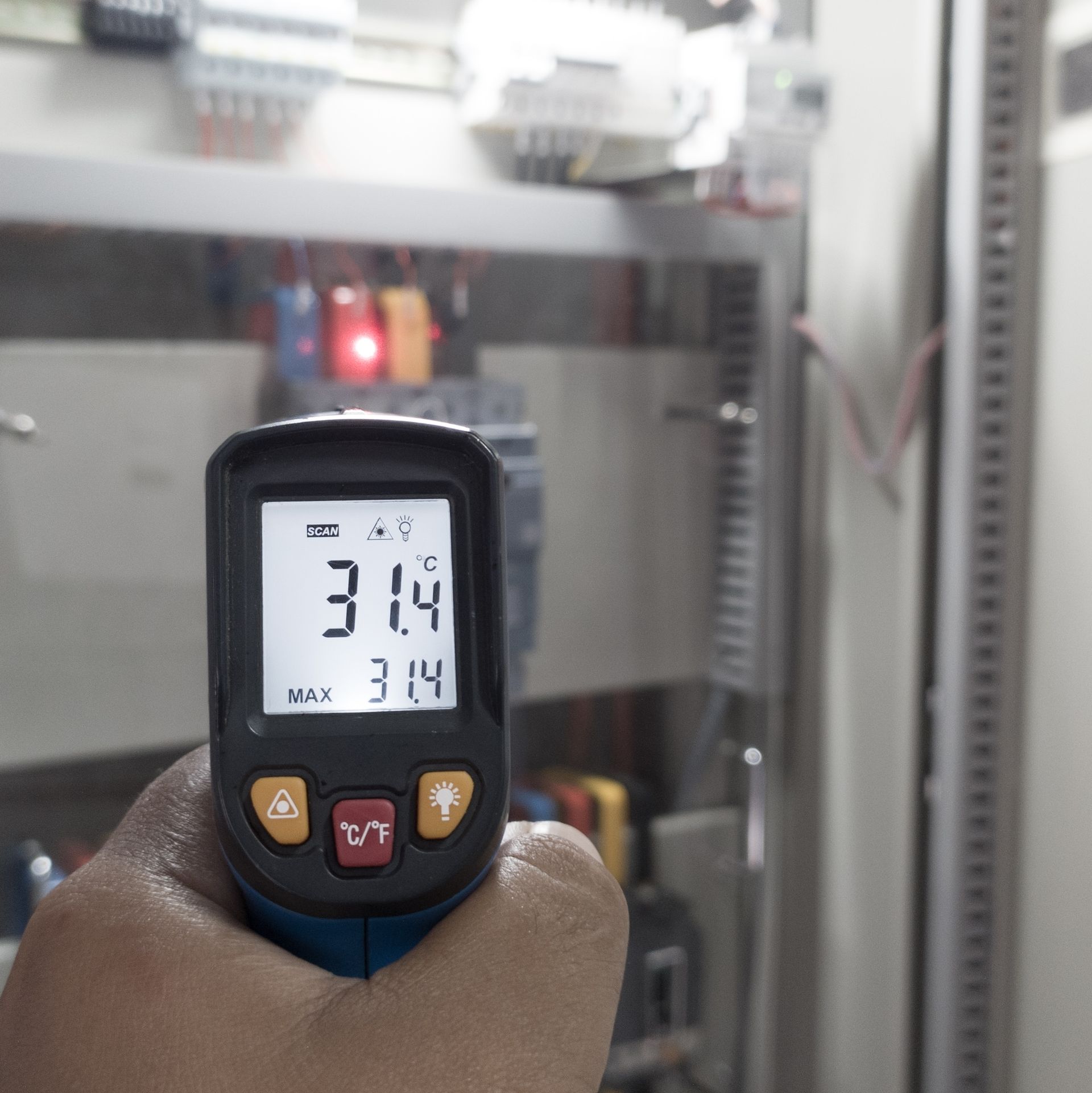
When temperature changes quickly, a slow sensor can leave the control system reacting to conditions that have already changed. In heating equipment, for example, the system may continue adding heat after the target temperature has been reached, resulting in overshoot.
Thermal lag can also hide short temperature spikes, extend heating or cooling cycles, and make process control less consistent. These issues matter in
HVAC-R, industrial equipment, appliances, medical devices, and food processing applications where timely temperature data influences equipment operation or product conditions.
How Heat Transfer and Thermal Mass Affect Sensor Response Time
A sensor responds after heat moves between the surrounding environment and its sensing element. Faster heat transfer generally produces a faster reading. Moving liquids, for example, often transfer heat to a probe faster than still air.
Thermal mass also affects response. A larger probe or one containing more material takes longer to heat or cool than a smaller, lower-mass design. Reducing thermal mass can improve response time, though the finished sensor still needs enough protection and strength for its operating conditions.
Sensor Construction Factors That Influence Thermal Lag
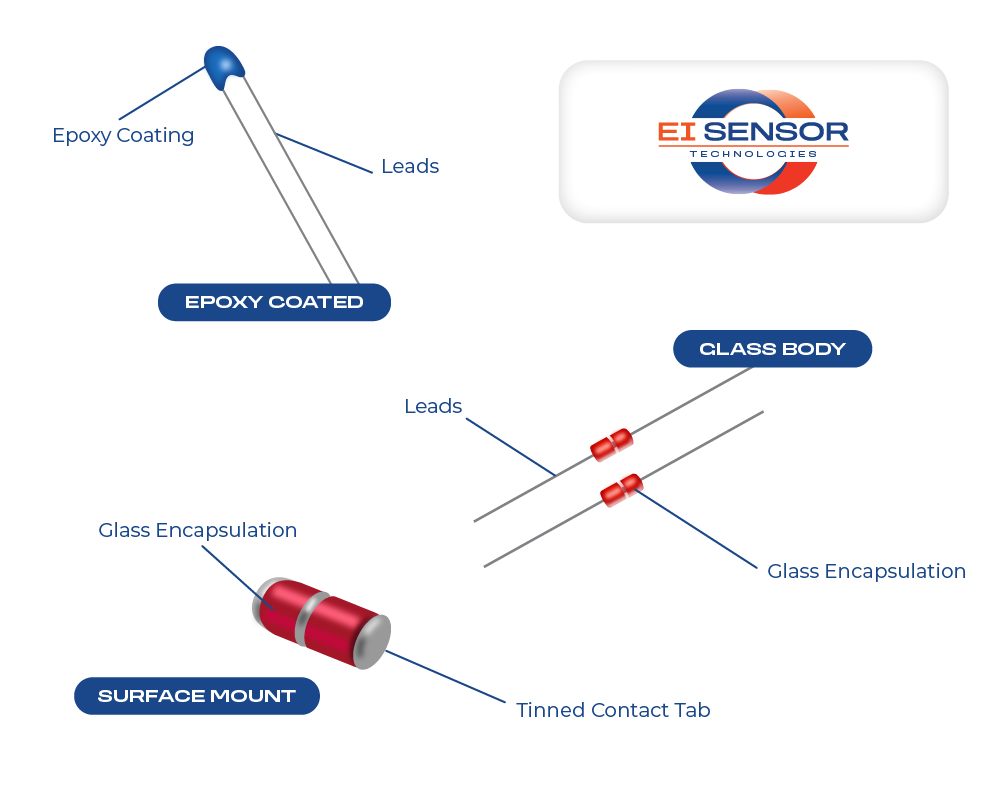
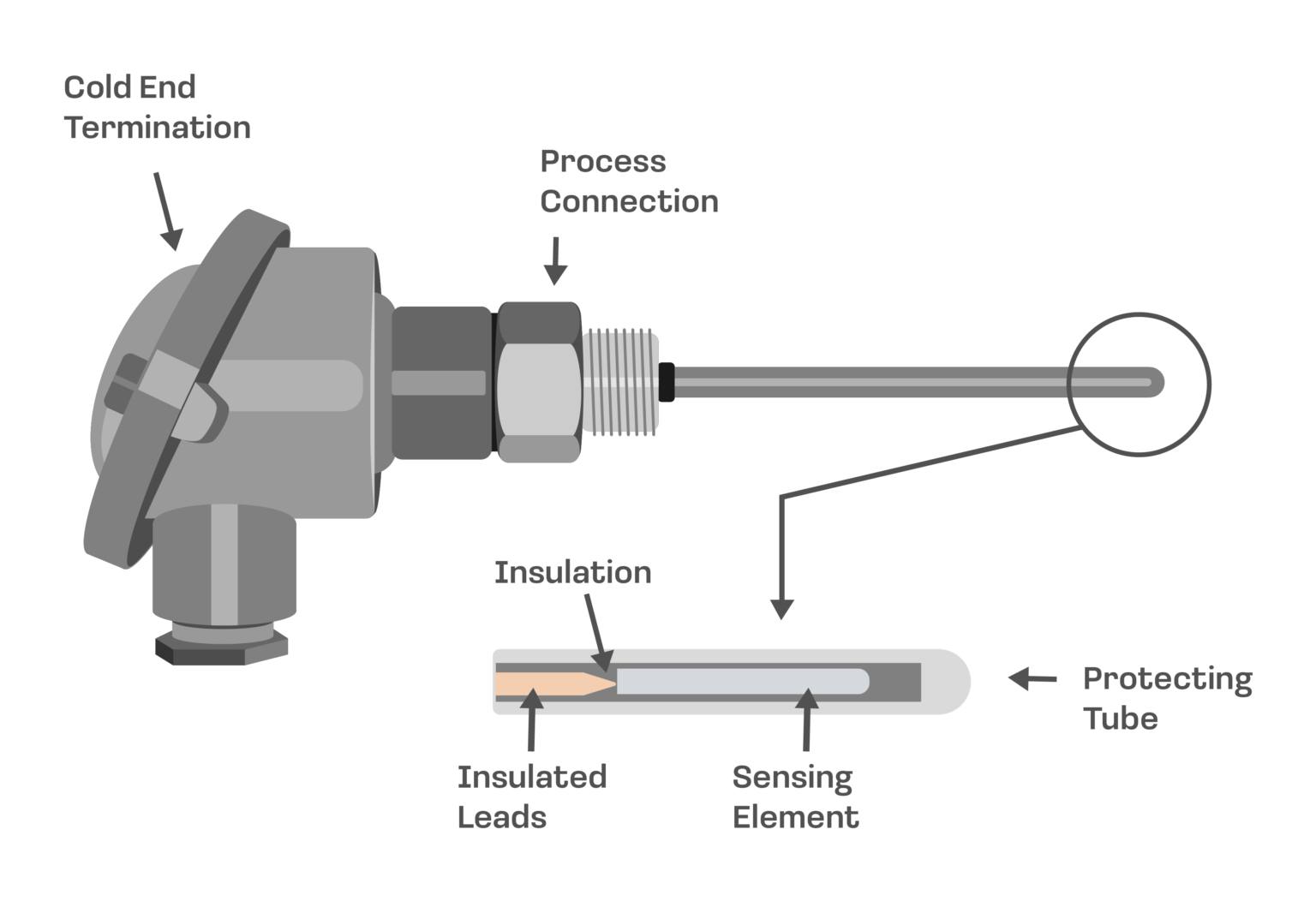
The path heat takes to reach the sensing element has a direct effect on response time. Sheaths, housings, adhesives, encapsulants, and other protective materials can slow heat transfer when they add mass or create distance between the element and the measured surface, air, or fluid.
The sensing element’s position inside the probe matters too. Placing it closer to the probe tip or contact surface can shorten the thermal path. These construction choices should reflect the required response time and the conditions the sensor will encounter during operation.
How Probe Diameter, Sheath Materials, and Encapsulation Affect Response
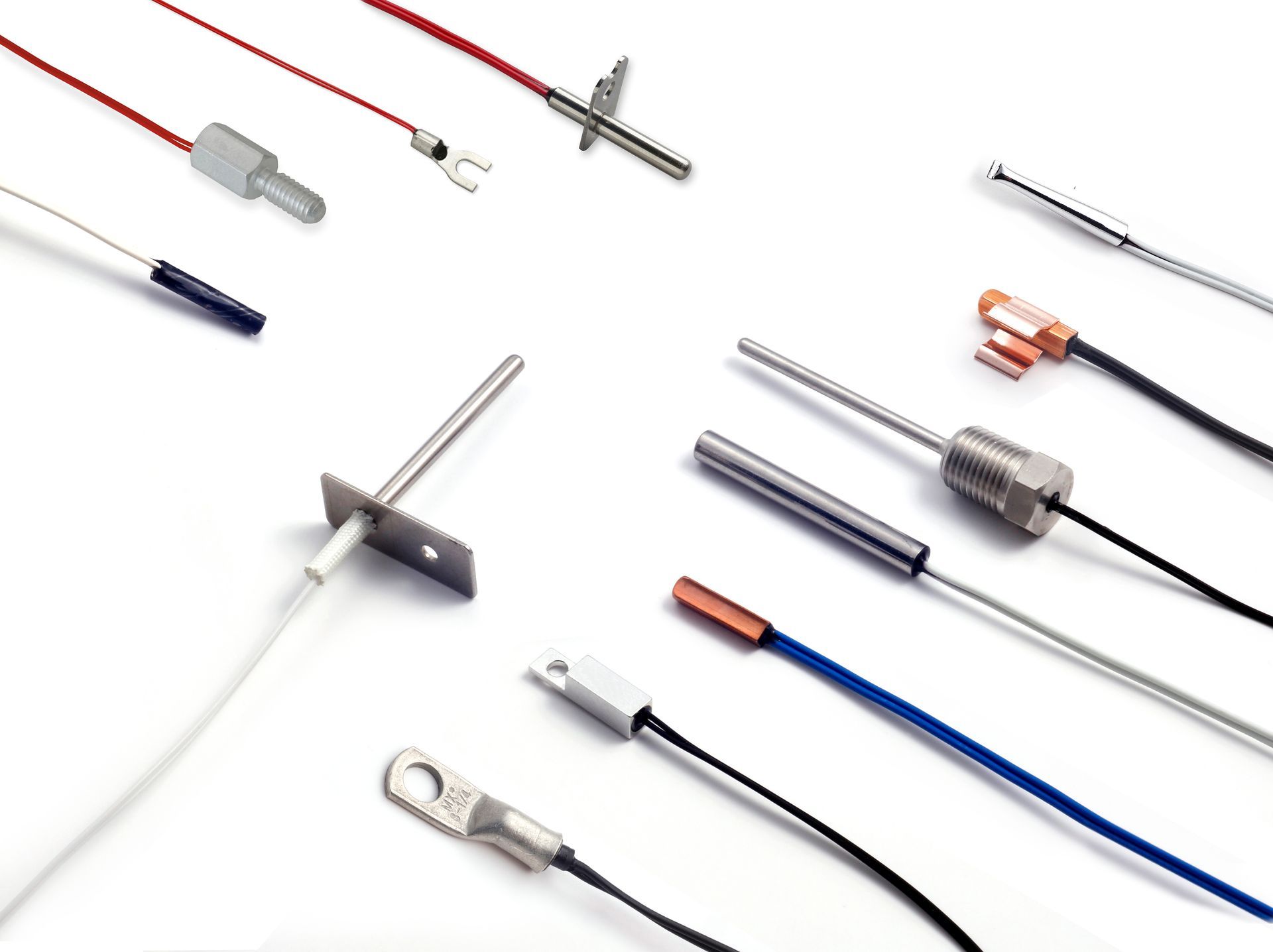
Smaller probe diameters typically respond faster because there is less material to heat or cool. Sheath material and wall thickness also influence how quickly heat reaches the sensing element.
Encapsulation creates another consideration. Added material can protect the element from moisture, vibration, chemicals, or physical damage, but it may increase response time. Selecting the right construction means finding a practical balance between response speed and the protection required for the application.
Sensor Placement and Thermal Contact: Getting Faster, More Representative Readings
Even a fast sensor can produce delayed or misleading readings when installed in the wrong location. The sensing area should have good thermal contact and exposure to the temperature the system needs to monitor.
Air gaps, limited surface contact, or
placement near an unrelated heat source can affect readings. For surface sensing, firm contact helps heat reach the sensor faster. In air or fluid applications, placement in the actual flow path can provide a more representative measurement.
Balancing Fast Response With Durability, Accuracy, and Environmental Protection
The fastest possible response is not always the best design choice. A very small probe may react quickly but offer less protection against vibration, pressure, chemicals, moisture, or repeated handling.
Protective sheaths and encapsulation can improve durability and moisture resistance while adding thermal mass. Engineers should consider the required response time alongside accuracy, operating temperature, mechanical stress, and expected service life. The goal is a sensor construction suited to the actual operating conditions.
Choosing Between Thermistors and RTDs for Fast-Response Temperature Sensing
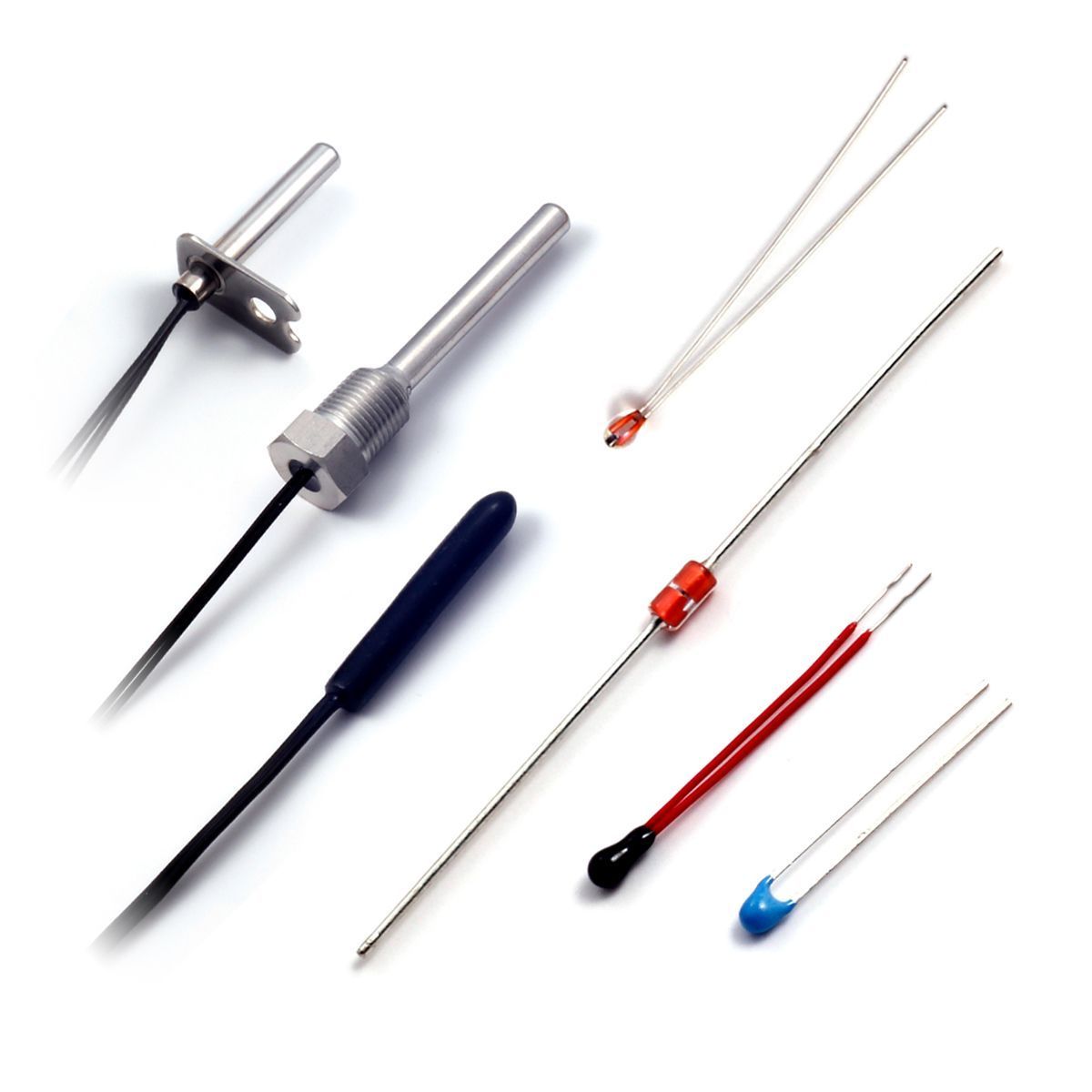
Thermistors can provide fast response in compact designs due to their small sensing elements and high sensitivity to temperature changes. They typically operate across a narrower temperature range than RTDs. EI Sensor thermistors can cover temperatures from -55°C to +300°C, depending on the design.
RTDs offer a broader operating range, from -200°C to over +850°C, along with excellent stability and repeatability. For either technology, the finished probe construction can significantly influence response time. Sensor selection should account for the required temperature range, response speed, accuracy, stability, and physical design of the assembly.
How Custom Temperature Sensor Design Can Help Minimize Thermal Lag
Standard probe designs may introduce unnecessary size, material, or protection for a particular application. A custom sensor allows engineers to adjust the construction around specific response and operating requirements.
Probe diameter, sheath thickness, sensing element location, encapsulation, mounting method, and lead configuration can all be evaluated during design. This approach can reduce thermal lag while retaining the mechanical strength and environmental protection the equipment requires.
Work With EI Sensor to Optimize Temperature Response for Your Application
Thermal lag should be evaluated in relation to the equipment, operating environment, required response time, and sensor construction. EI Sensor Technologies brings decades of temperature sensing experience to thermistor, RTD, and custom probe assembly design.
If a standard sensor does not provide the response characteristics your application requires, EI Sensor can help evaluate custom options suited to your specifications. Email sales@ei-sensor.com to discuss your temperature sensing needs or
request engineering assistance.