BLOG
December 18, 2025
Share this Article:
Temperature plays a bigger role in pool and spa management than most people realize. It affects chemical reactions, equipment function, and user comfort. When water temperature drifts too far from the recommended range, chemical treatments stop working the way they should. That can lead to cloudy water, pH instability, scaling, or corrosion.
A pool temperature sensor helps maintain steady readings so other systems can do their job. Most modern pools and spas use automated controls for heating, filtration, and chemical dosing. Those systems rely on accurate temperature input to make the right adjustments at the right time. Without consistent feedback, it’s harder to keep water balanced or prevent overcorrection.
In commercial settings, this becomes even more important. Public health standards, energy use, and customer satisfaction all depend on proper temperature control. Even in residential systems, poor temperature sensing can mean wasted energy, shortened equipment life, or repeated chemical adjustments.
The Science of Temperature and Pool Chemistry
Chemical behavior in pools and spas depends heavily on water temperature. As water warms up, reaction rates increase. Chlorine works faster but also breaks down sooner. In colder water, reactions slow down and chlorine lasts longer, though it may take longer to disinfect.
Temperature shifts can also throw off pH. When water gets warmer, pH tends to rise. That makes chlorine less effective and can lead to cloudy water or scale. Lower pH, on the other hand, may lead to corrosion or skin irritation. Neither extreme is good for swimmers or system components.
Calcium hardness becomes more difficult to manage when temperatures swing. Warm water mixed with high calcium levels often causes scale to form inside heaters and pipes, reducing water flow and efficiency. Cooling systems too quickly can also disturb chemical stability.
Saltwater pools react to temperature as well. In cooler conditions, some salt cells stop producing chlorine entirely. If there's no backup chlorination plan, sanitizer levels drop, and water quality degrades.
Every part of pool chemistry depends on a steady baseline. Temperature is one of the first values to move out of range, so tracking it early keeps other problems from spreading.
Temperature and Water Quality
Water temperature influences how clean the water looks, how safe it is to swim in, and how hard the system has to work to keep it that way. Warmer water speeds up bacterial growth and creates better conditions for algae. It also increases chlorine demand, since higher temperatures make chlorine degrade faster.
As the temperature rises, swimmers tend to sweat more. Sunscreen, body oils, and other organic material build up faster in warm water, placing extra strain on filters and sanitizers. If the system can't keep up, water may turn cloudy, develop odors, or require more frequent adjustments.
Cold water slows everything down. Chlorine takes longer to work, and organic debris may not break down as efficiently. In pools with uneven heating or poor circulation, colder zones can disrupt water treatment, even if the rest of the system is working correctly.
Stable temperature helps the rest of the system do its job. When water stays in range, filters work more efficiently, chlorine remains effective longer, and chemical use stays more predictable.
Sensor Technology in Pool & Spa Systems
Temperature sensors are a key part of how modern pools and spas function. They supply data that control systems use to manage heating and water treatment. Without reliable input, automated adjustments often miss the mark.
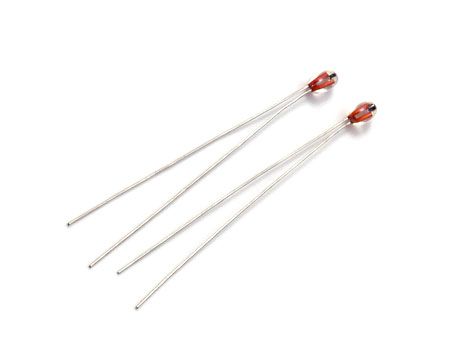
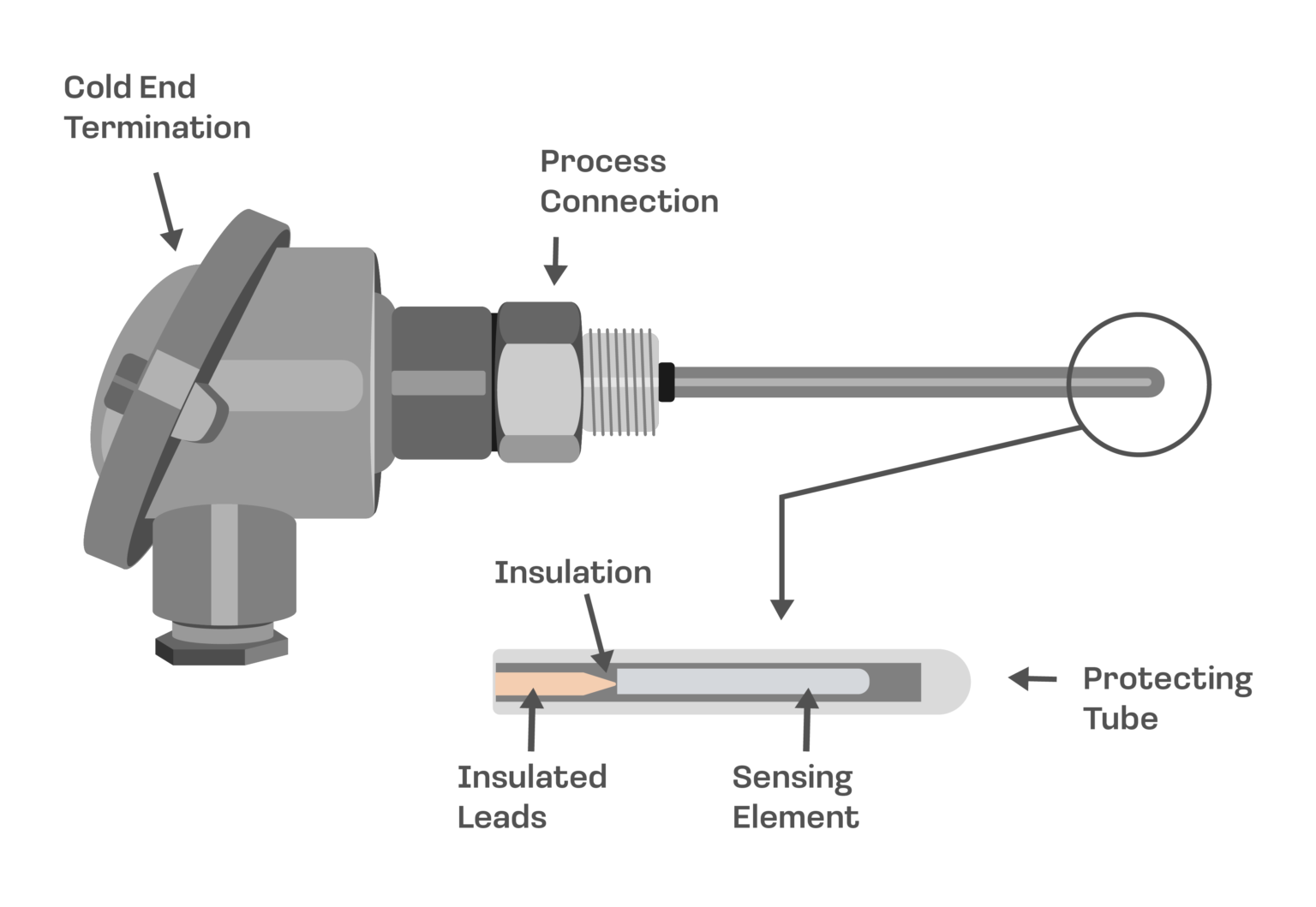
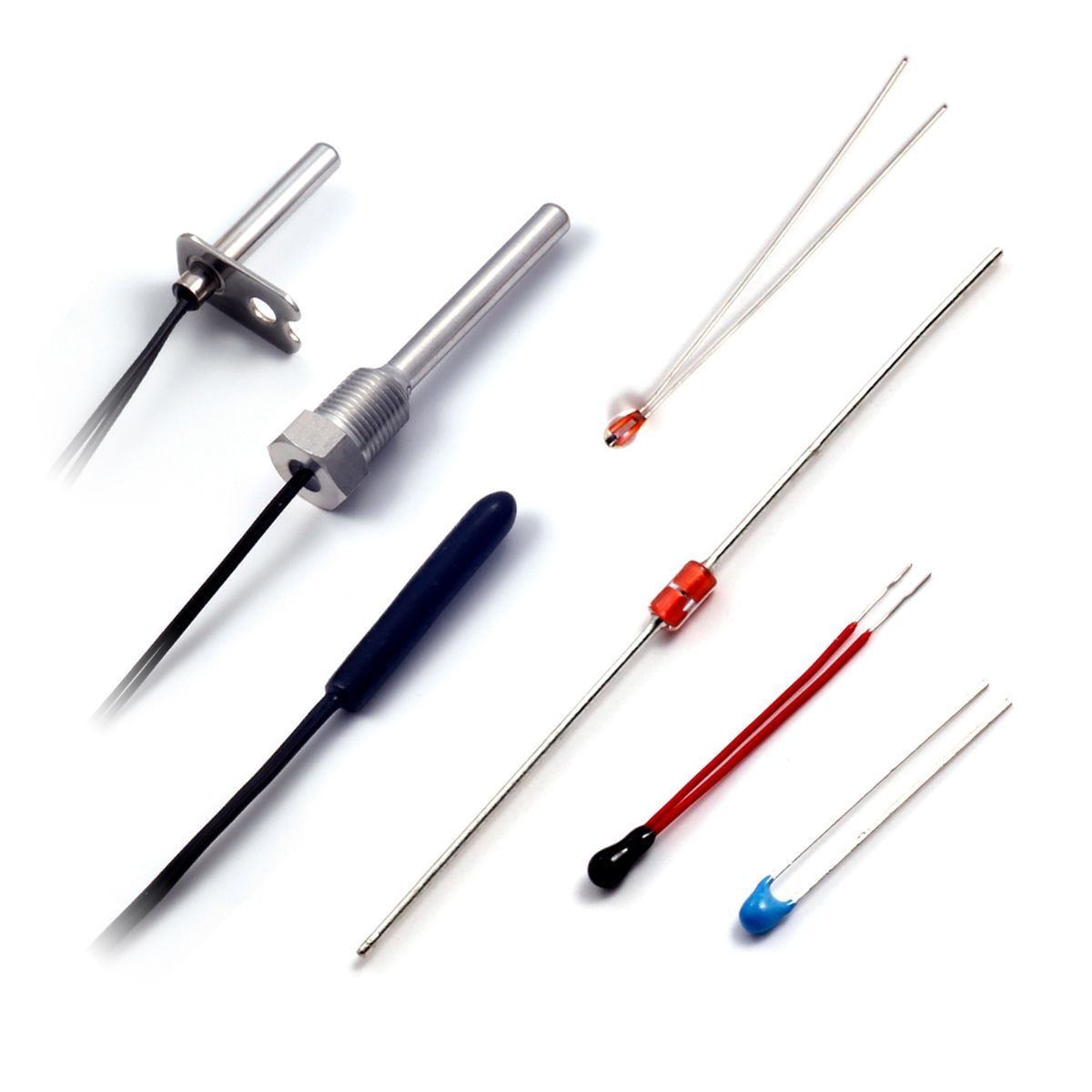
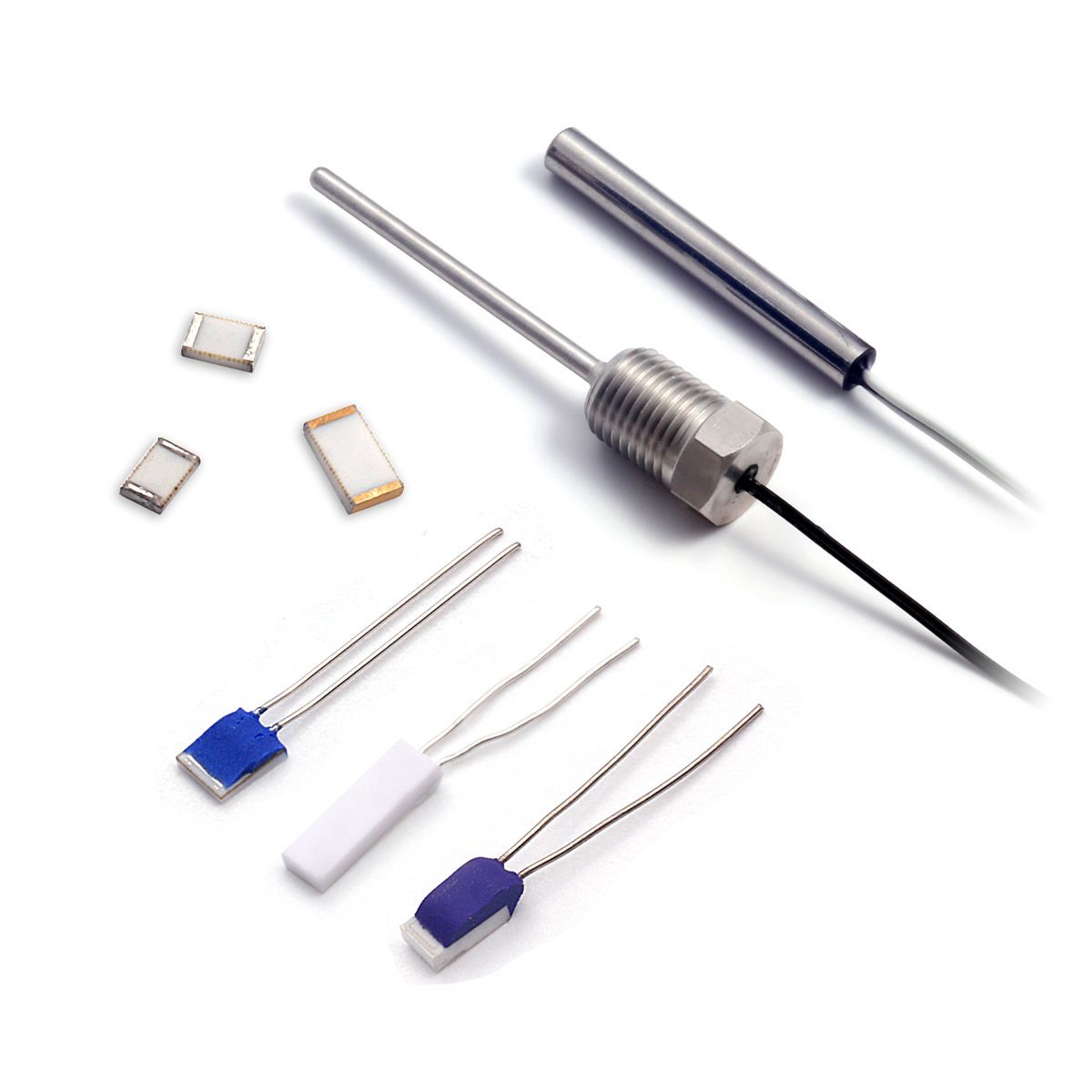
Most pool systems use either thermistors or RTDs to measure water temperature. Thermistors are widely used in both residential and commercial settings. They respond quickly to temperature changes and work well in water because of their sensitivity and compact form. RTDs are built for more demanding environments, where long-term stability and tighter accuracy matter more than cost.
Sensor housing and placement affect how well the sensor performs. In pools and spas, sensors are often installed in-line, near heater outlets, or embedded in a manifold. If the sensor sits in a low-flow area or is exposed to air during pump shutdowns, the readings can become unreliable. This leads to poor control decisions and unnecessary system cycling.
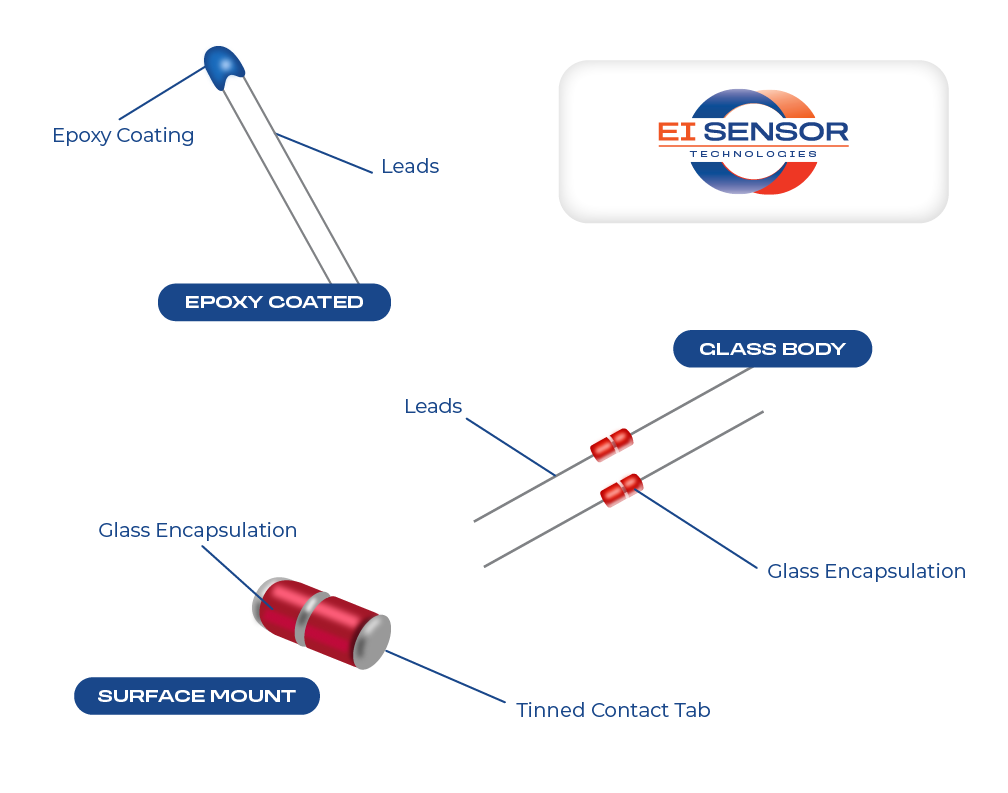
Material choice also matters. Sensors exposed to pool water need to resist corrosion from chlorine, bromine, or salt systems. Stainless steel, epoxy coatings, or thermoplastic housings are common options, depending on the chemistry and temperature range involved.
When matched correctly to the system and environment, a
temperature sensor becomes a dependable component that supports smooth operation. It helps maintain stable water conditions and keeps heating and dosing systems responsive.
Benefits of Accurate Temperature Monitoring
Using a reliable temperature sensor improves how the entire system functions. Key advantages include:
Lower energy use
Heaters run more efficiently when they respond to accurate readings, avoiding unnecessary runtime.
More stable water chemistry
Consistent temperature helps chemical dosing stay on target, reducing spikes in sanitizer levels or pH drift.
Faster issue detection
When temperature changes are tracked closely, it's easier to spot circulation problems, heater faults, or system imbalances early.
Less equipment strain
Pumps, heaters, and salt cells last longer when they aren’t overworked due to bad data or temperature swings.
Better water clarity
Balanced temperature helps filters and sanitizers handle organic material more effectively, which keeps water clean.
Fewer maintenance calls
Well-regulated systems need fewer manual corrections, which saves time for technicians and reduces service interruptions.
Improved comfort for users
Water that stays within the desired range feels better and creates a more consistent experience for swimmers.
Choosing the Right Sensor for Your Pool or Spa
The best sensor for a pool or spa depends on how the system runs, where the sensor is installed, and how the water is treated.
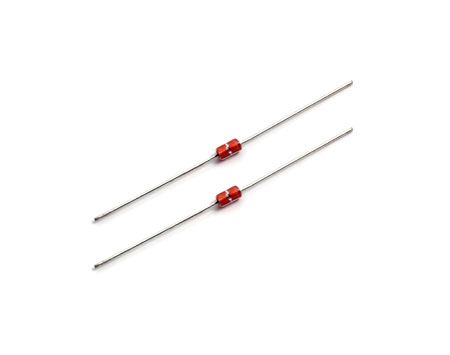
Thermistors are a common choice. They respond quickly, work well in water, and are cost-effective.
NTC thermistors are often used in systems that need fast feedback for heating or dosing.
RTDs offer better long-term accuracy and are often used in commercial systems or where tighter control is needed. They’re more stable over time but usually come at a higher cost.
Housing materials should match the water chemistry. Stainless steel or brass works in standard conditions. For saltwater or high-chlorine setups, epoxy coatings or thermoplastics handle corrosion better.
Sensor placement affects accuracy. Install in a location with steady water flow, such as a return line or heater outlet. Avoid areas where water may stagnate or where the sensor could be exposed to air during pump shutoff.
Key Takeaways
Accurate temperature sensing helps keep pool and spa systems stable, efficient, and easier to maintain. It reduces chemical use, extends equipment life, and keeps water conditions consistent.
EI Sensor provides thermistors and RTDs designed for long-term performance in demanding water environments. We work directly with OEMs and system designers to deliver standard and custom solutions that match real-world conditions.
Email us at sales@ei-sensor.com to
get started on a sensor that fits your system. We’re here to help with selection, design input, or technical support.