BLOG
September 10, 2026
Share this Article:
A cold storage system may record thousands of temperature readings, but inaccurate measurements can make those records difficult to trust. For food and beverage operations, that can complicate temperature control, product decisions, and FDA compliance efforts.
RTD calibration provides a way to verify measurement accuracy and identify changes in sensor performance before questionable readings become a larger operational problem.
Why Temperature Control Is Central to FDA Compliance in Cold Storage
Temperature can directly affect the growth of microorganisms in foods that require refrigeration for safety. FDA regulations require applicable food operations to establish preventive controls when temperature control is needed to significantly minimize or prevent a food safety hazard.
Accurate temperature measurement supports this process. It gives operators information they can use to confirm storage conditions, identify deviations, and maintain records that reflect actual conditions inside refrigerated equipment.
Temperature Monitoring, Recordkeeping, and Preventive Controls
When temperature is part of a facility’s preventive controls, monitoring procedures help confirm that refrigerated conditions remain within established limits. Temperature records can also document operating conditions and support verification activities.
Reliable records depend on reliable measurements. If the sensor data is questionable, teams may have difficulty determining what conditions were actually present during storage.
What Can Happen When Temperature Data Is Inaccurate
An inaccurate sensor can create problems in either direction. A reading below the actual temperature may hide an unacceptable condition. A reading above it can trigger unnecessary alarms, investigations, or refrigeration adjustments.
Both situations can leave operators questioning stored product and the records used to evaluate it.
Why RTDs Are Well Suited for Food and Beverage Cold Storage
RTDs are a strong option for refrigerated food and beverage equipment because they provide accurate, repeatable temperature measurements across common cold storage ranges. Platinum RTDs also offer good long-term stability, which can help limit changes in measurement performance over time.
These characteristics make
RTDs useful in applications where operators rely on consistent temperature data for equipment control, product quality, and recordkeeping.
Accuracy, Stability, and Repeatability in Refrigerated Environments
Cold storage equipment may operate continuously for long periods, making consistent sensor performance an important consideration. RTDs can provide accurate readings across refrigerated temperature ranges while maintaining good stability over time. Their repeatable resistance-to-temperature characteristics also support consistent measurements during repeated heating and cooling cycles.
RTDs vs. Other Temperature Sensor Technologies
RTDs and thermistors can both perform well in refrigeration equipment. Thermistors offer high sensitivity across targeted temperature ranges and can suit many food storage applications. RTDs are often selected when a design places greater emphasis on long-term stability, repeatability, or standardized resistance characteristics.
The better choice depends on the operating range, accuracy target, response time, control electronics, and probe construction required for the equipment.
Why RTD Calibration Matters for FDA Compliance
Even a well-selected RTD needs periodic accuracy verification. Calibration compares temperature measurements against a known reference, helping operators determine if the sensor is performing within the required tolerance.
When temperature monitoring forms part of a food safety program, calibration provides greater confidence in the measurements recorded over time. It can also reveal accuracy problems before questionable data affects temperature records or product decisions.
Calibration Helps Verify the Accuracy of Temperature Monitoring
Calibration compares an RTD’s measurement against a reference of known accuracy. The results show the amount of measurement error at the tested temperature points and help determine if the sensor remains within the required tolerance. This gives food and beverage operations documented information about the performance of their temperature monitoring equipment.
Sensor Drift and the Risk of Unreliable Temperature Records
Sensor performance can change gradually due to age, temperature cycling, mechanical stress, or environmental exposure. This drift may be small enough to go unnoticed during routine operation while still affecting recorded temperatures. Regular calibration can identify these changes before teams begin relying on inaccurate measurements.
Building Calibration Into a Food Safety and Quality Program
Calibration procedures should reflect the equipment, operating conditions, accuracy requirements, and applicable food safety procedures. Companies may establish calibration intervals, acceptable tolerances, documentation practices, and actions to take when a sensor falls outside specification.
Keeping calibration records also gives quality teams a clearer history of sensor performance when reviewing temperature data or investigating a deviation.
What Food and Beverage OEMs Should Consider When Selecting an RTD
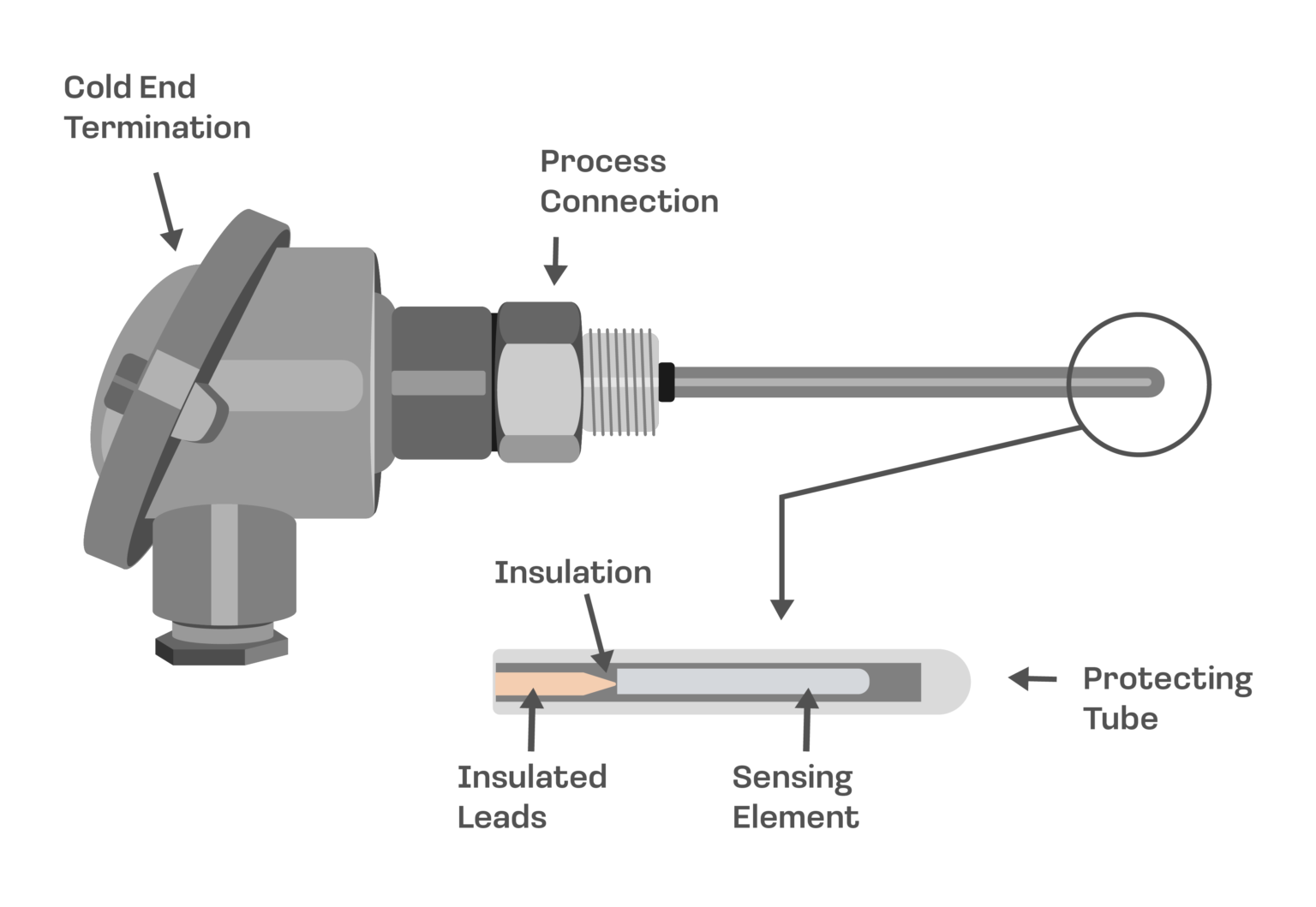
RTD selection depends heavily on the operating conditions and performance requirements of the equipment. Temperature range, accuracy requirements, response time, mounting, moisture exposure, and probe construction can all influence sensor performance.
Defining these requirements early helps OEMs choose a sensing element and probe assembly suited to the intended cold storage application.

Temperature Range, Accuracy, Response Time, and Probe Construction
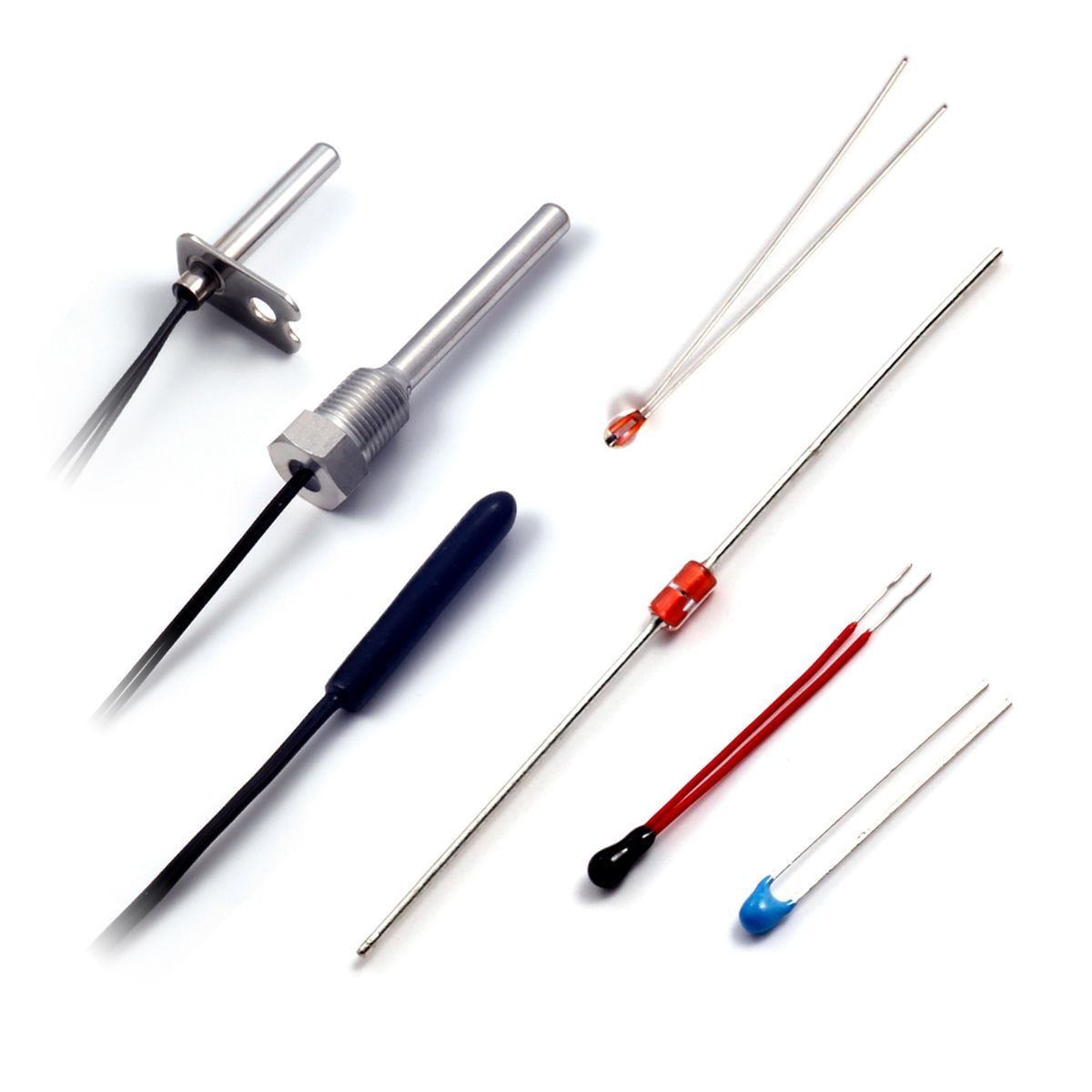
An RTD should provide the required accuracy across the temperatures the equipment is expected to maintain. Response time also matters when the system needs to detect temperature changes quickly. Probe diameter, length, housing material, cable construction, and mounting method can further influence how the sensor performs in refrigerated equipment.
Matching the RTD to the Cold Storage Application
A walk-in freezer, refrigerated display case, processing system, and beverage cooler can present different measurement conditions. Moisture exposure, temperature cycling, installation location, and equipment design should factor into sensor selection.
For custom equipment, an RTD probe can be configured around the application rather than requiring the OEM to adapt its design to a standard probe.
Supporting Reliable Cold Storage Temperature Measurement With the Right Sensor Partner
Cold storage applications can place very specific requirements on an RTD. A sensor may need to maintain tight accuracy across a narrow temperature range, respond quickly to temperature changes, or use a probe construction suited to moisture, repeated temperature cycling, and the equipment’s installation constraints.
EI Sensor Technologies helps food and beverage OEMs work through these details when selecting or developing RTD probe assemblies. Customers can discuss the actual measurement conditions, performance targets, and physical requirements of their equipment rather than limiting the project to an off-the-shelf configuration.
Need help selecting an RTD for cold storage equipment? Email sales@ei-sensor.com for engineering assistance.