BLOG
May 22, 2026
Share this Article:
Modern vehicles rely on accurate temperature data to keep systems operating at the right levels. Temperature sensors provide that input, helping control systems respond to heat changes, protect components, and maintain consistent performance across a wide range of driving conditions. As automotive technology continues to advance, reliable temperature measurement plays an important role in supporting efficiency, safety, and long-term system performance.
Why Temperature Matters in Automotive Applications
Temperature directly affects performance, efficiency, and component life across automotive systems. Excess heat can lead to wear and reduced reliability, while low temperatures can impact responsiveness and accuracy.
Temperature sensors provide the data needed to monitor these conditions and support stable operation over time.
Key Automotive Systems That Rely on Temperature Sensors
Automotive systems depend on accurate temperature feedback to maintain performance and prevent damage under changing operating conditions. Temperature sensors allow these systems to respond quickly and operate within defined limits.
Engine Management Systems
Accurate temperature data helps regulate fuel injection, ignition timing, and cooling processes. This improves combustion efficiency and helps reduce wear on engine components.
Electric Vehicle (EV) Battery Systems
Battery performance depends on controlled temperature ranges. Sensors help manage charging and discharging while protecting cells from overheating.
HVAC Systems (Heating, Ventilation, and Air Conditioning)
Temperature sensors help control cabin comfort and system efficiency. They regulate airflow and adjust heating and cooling output.
Exhaust & Emissions Systems
Monitoring exhaust temperatures helps control emissions and keep aftertreatment systems operating properly. This helps meet regulatory requirements.
Transmission & Powertrain Systems
Temperature readings help protect gears, fluids, and moving components. Proper monitoring keeps operation smooth and helps extend service life.
Types of Temperature Sensors Used in Automotive Systems
Different automotive applications require different sensing technologies based on temperature range, response time, and accuracy. Selecting the right sensor type depends on how and where it will be used.
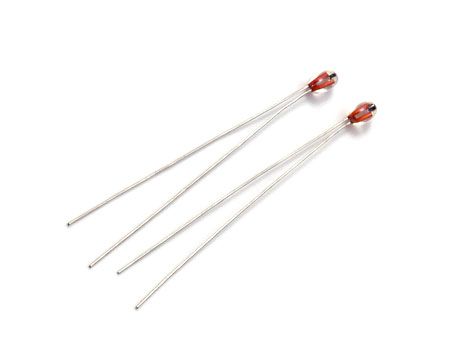
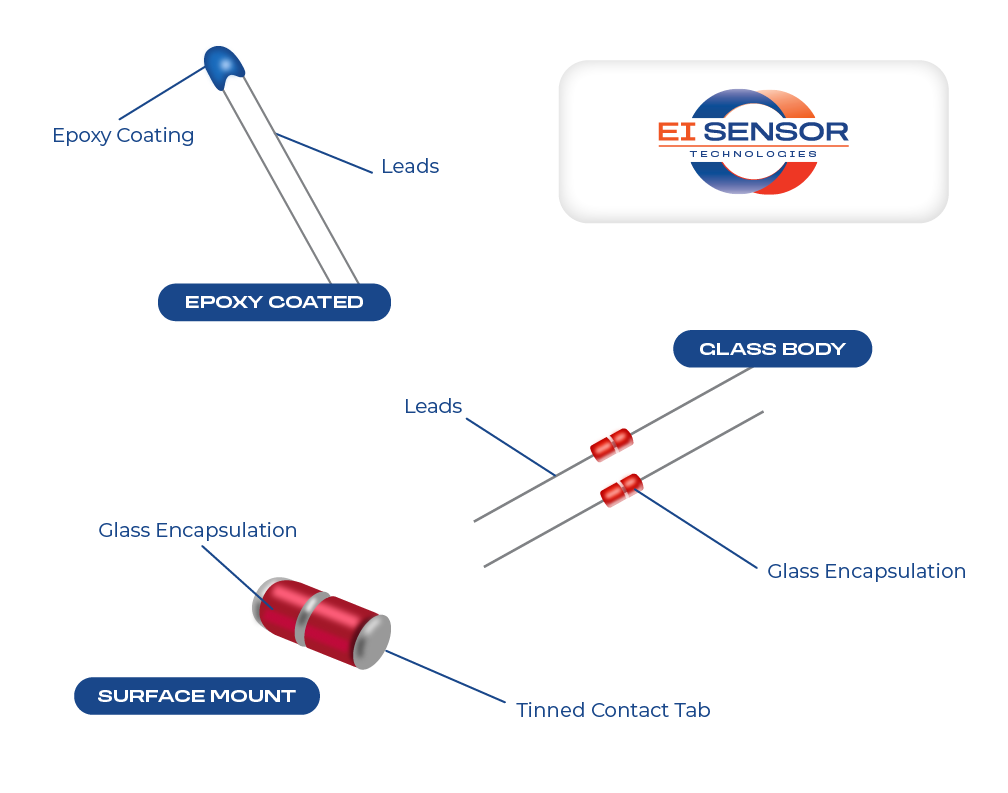
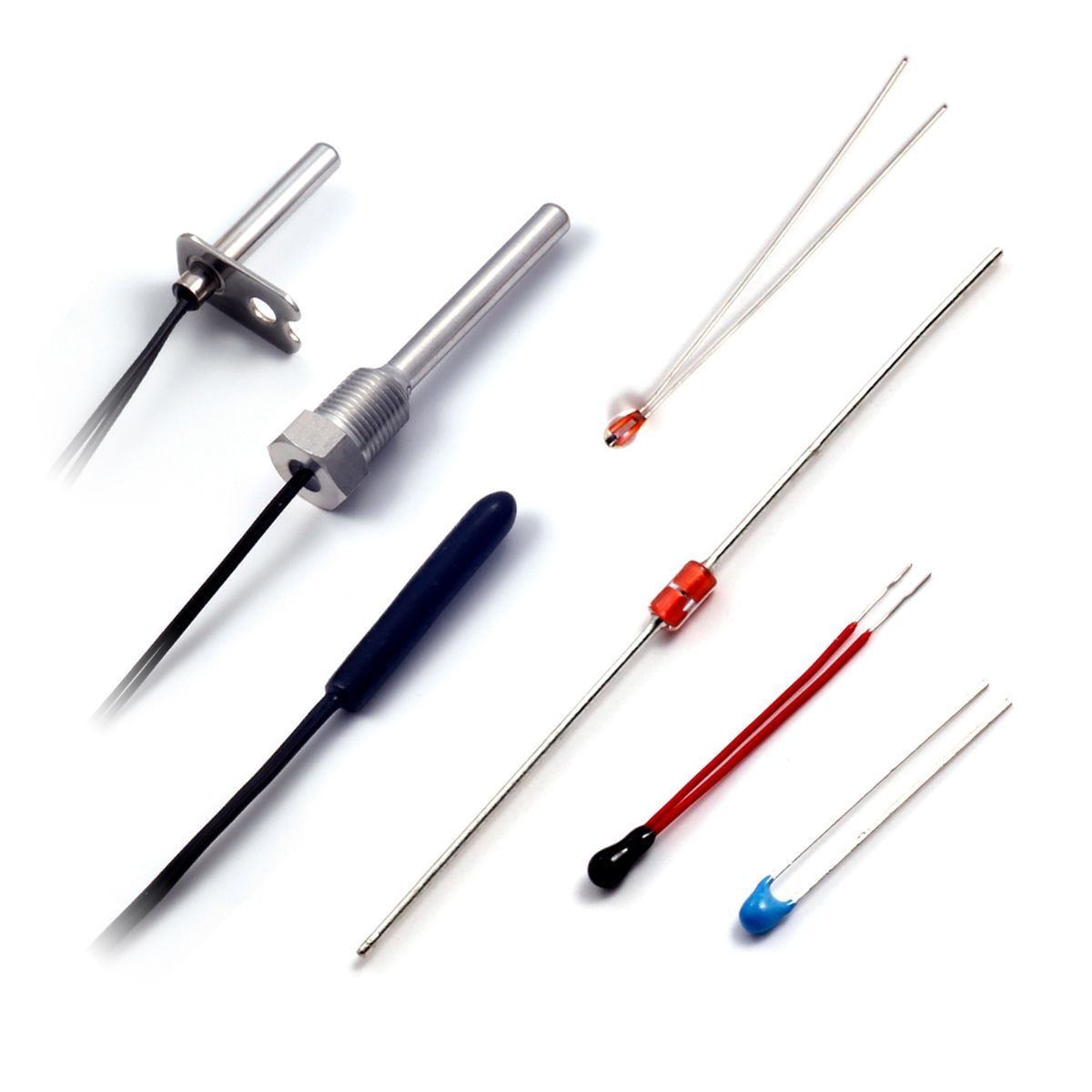
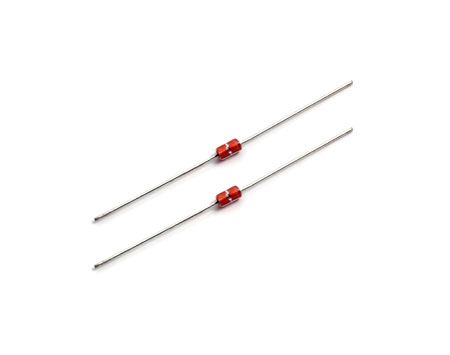
NTC & PTC Thermistors
Thermistors are widely used due to their sensitivity and fast response.
NTC thermistors decrease in resistance as temperature rises, making them ideal for precise measurement and control.
PTC thermistors increase in resistance and are often used for protection and limiting applications.
RTDs (Resistance Temperature Detectors)
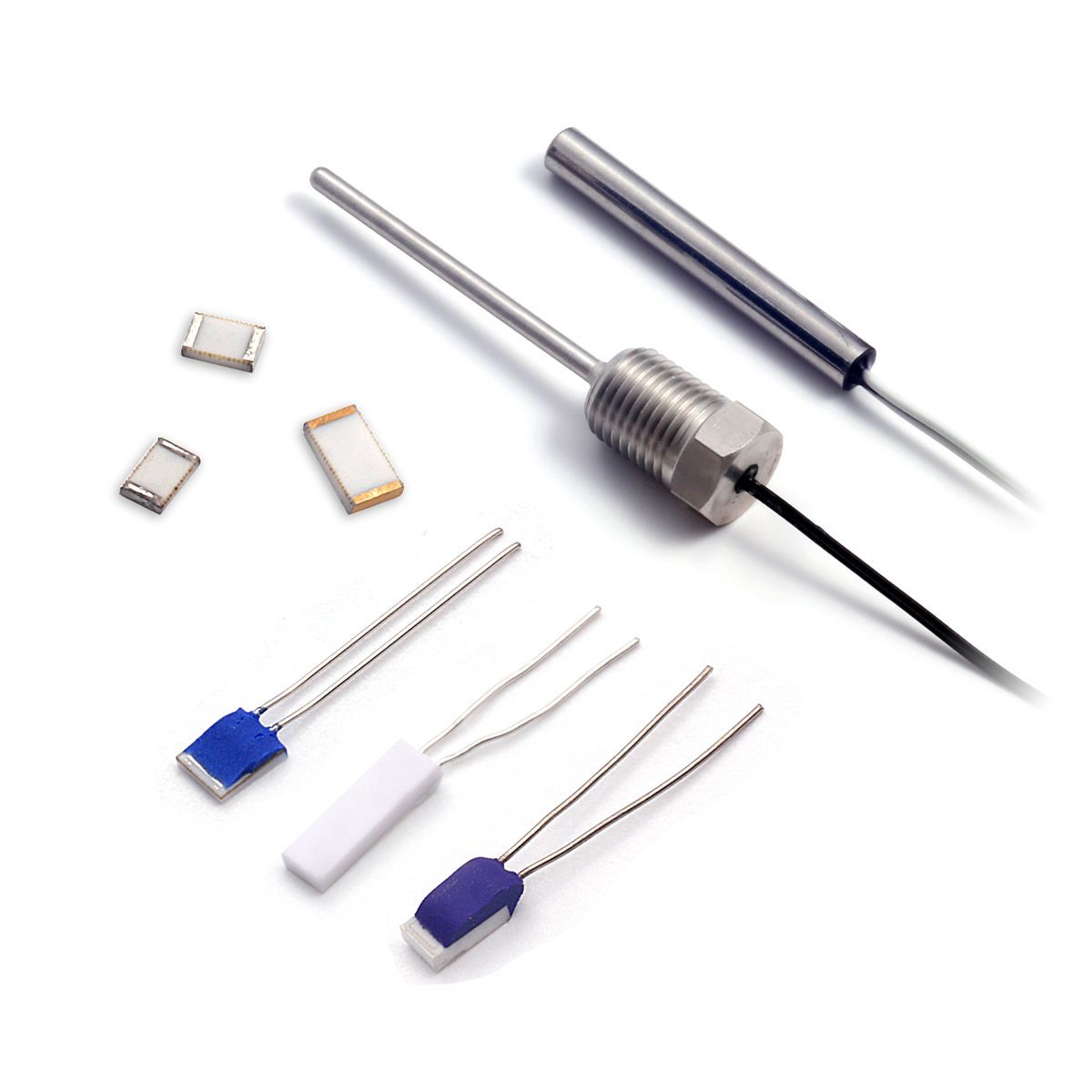
RTDs provide stable, accurate readings over a wide temperature range. They are commonly used in applications that require long-term reliability and repeatability, especially in higher temperature environments.
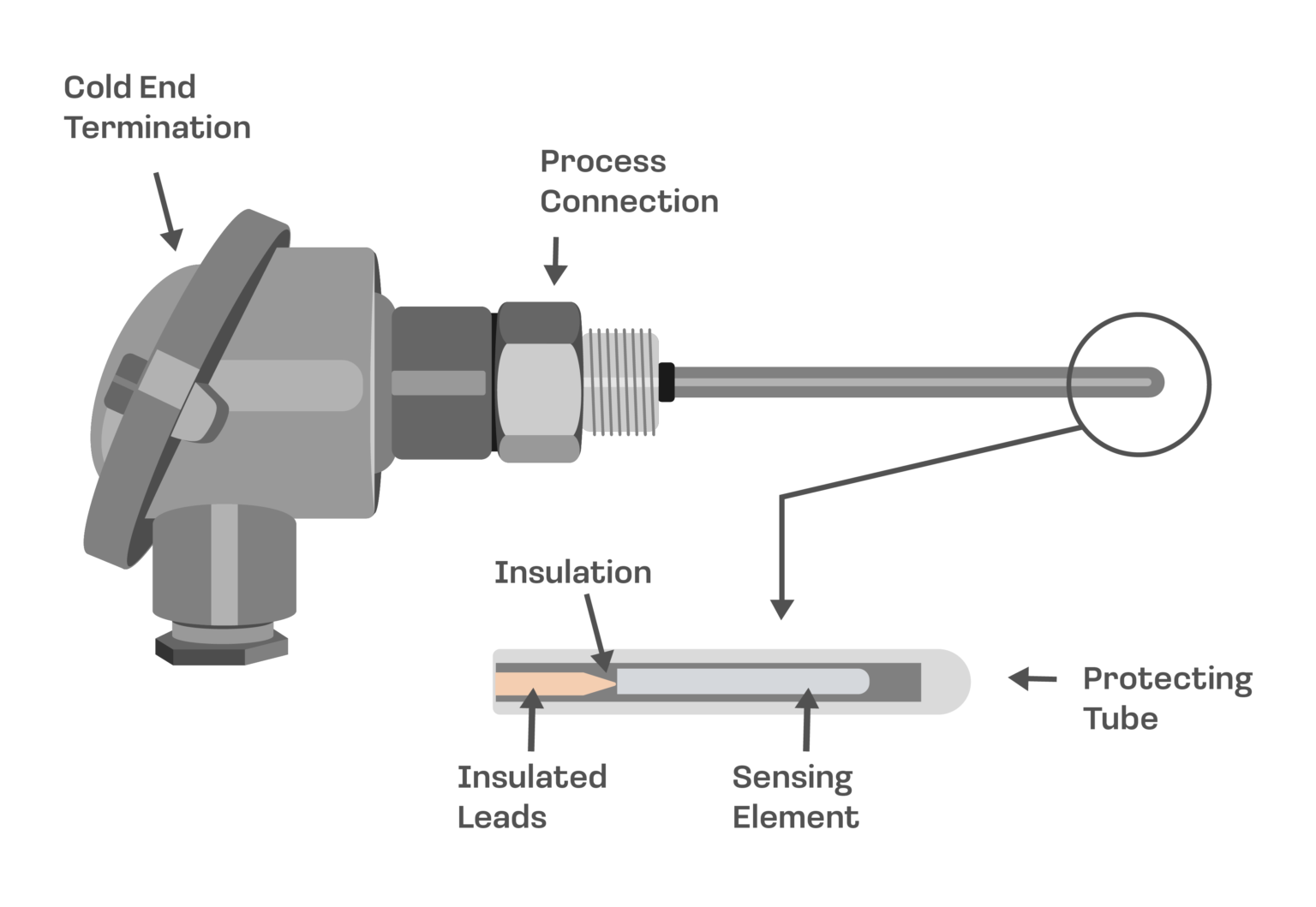
Thermistor & RTD Probe Assemblies
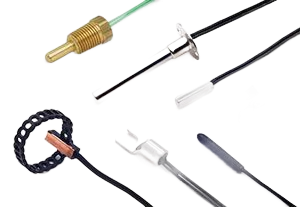
Probe assemblies combine sensing elements with protective housings and lead configurations. These designs allow for easier integration into automotive systems and can be tailored to meet specific mounting, environmental, and performance requirements.
Automotive Environmental Challenges for Temperature Sensors
Automotive environments expose temperature sensors to constant stress. High heat, rapid temperature changes, vibration, moisture, and chemical exposure can all affect performance over time.
Sensors placed near engines or exhaust systems must handle extreme temperatures, while those in external or underbody locations face moisture, road debris, and harsh weather conditions. In EV systems, compact designs can create localized heat buildup that requires accurate and stable measurement.
To perform reliably in these conditions, sensors must be designed with the right materials, construction, and sealing methods. Proper design helps reduce drift, improve response time, and extend operational life in demanding automotive applications.
Selecting the Right Temperature Sensor for Automotive Applications
Choosing the right temperature sensor depends on the specific application, operating range, and environmental conditions. Factors such as accuracy, response time, size, and mounting requirements all influence sensor performance.
Thermistors are a strong fit for applications that need fast response and high sensitivity within tighter temperature ranges, while
RTDs are suited for applications that require stability across a wider range. In many cases, probe assemblies are designed to match exact installation and environmental requirements.
For OEMs, the selection process goes beyond standard specifications. It requires a clear understanding of how the sensor will function within the system and how it will perform over time.
The Importance of Custom Sensor Solutions in Automotive Design
Standard sensors do not always align with the specific needs of automotive applications. Space constraints, mounting requirements, and environmental exposure can vary widely across systems.
Custom sensor solutions allow OEMs to match the sensor design to the application. This includes adjusting probe dimensions, lead configurations, materials, and performance characteristics. A tailored approach helps improve fit, response, and long-term reliability within the system.
Working with an experienced supplier gives customers the flexibility to address design challenges early and avoid issues later in production.
Emerging Trends in Automotive Temperature Sensing
Automotive systems continue to evolve, especially with the growth of electric vehicles and advanced electronics. These changes are driving new requirements for temperature measurement, including higher accuracy, faster response times, and smaller sensor footprints.
In EV platforms, tighter packaging and higher energy density increase the need for precise thermal monitoring within battery systems. Sensors must deliver consistent readings in compact spaces where heat can build quickly.
There is also a growing focus on integrating sensors into more areas of the vehicle. As systems become more connected and data-driven, temperature feedback is used to improve performance, efficiency, and system control.
For OEMs, these trends highlight the need for flexible sensor designs that can adapt to new technologies and evolving application requirements.
Common Challenges OEMs Face (and How to Overcome Them)
OEMs regularly run into challenges when working with temperature sensors in automotive systems:
- Inconsistent performance: Variations in sensor accuracy or response time can impact system behavior and lead to unreliable data.
- Fit and integration issues:
Standard components may not align with space constraints or mounting requirements, creating design complications.
- Environmental exposure:
Heat, vibration, moisture, and chemicals can affect long-term sensor performance if not properly addressed.
- Long lead times: Delays in sourcing or limited supplier flexibility can slow down development and production schedules.
- Limited customization options: Off-the-shelf solutions may not meet specific application needs, leading to compromises in performance.
To overcome these challenges, OEMs benefit from working closely with an experienced sensor provider. Early collaboration, application-specific design, and access to engineering support help streamline development and improve overall results.
Why OEMs Partner with EI Sensor Technologies
OEMs choose EI Sensor Technologies for responsive support, application insight, and flexible design options. Our team works closely with customers to deliver thermistors, RTDs, and probe assemblies built to match exact specifications.
If you are working through design challenges or need a more reliable supplier, EI Sensor is ready to help. Email sales@ei-sensor.com to
request a quote or connect with an engineer.