BLOG
March 30, 2026
Share this Article:
Water treatment and water purification systems operate across municipal plants, industrial facilities, food processing operations, and medical environments. Each application involves tightly controlled processes designed to remove contaminants, manage biological activity, and deliver water that meets regulatory and performance standards.
Temperature plays a direct role in how these systems perform. Chemical reactions shift as temperatures rise or fall. Biological treatment stages respond to even small changes in thermal conditions. Filtration performance, membrane efficiency, and disinfection processes all depend on stable operating ranges.
Accurate temperature sensing allows operators and equipment manufacturers to monitor process conditions in real time. Reliable data supports process control decisions, protects equipment from overheating, and contributes to consistent water quality. For OEMs developing treatment skids, filtration modules, or purification equipment,
sensor selection influences both performance and long-term reliability.
Why Temperature Measurement Matters in Water & Wastewater Processes
Water and wastewater treatment systems rely on controlled chemical, biological, and mechanical processes. Temperature directly affects reaction rates, microbial activity, and equipment performance across each stage of treatment.
In biological treatment tanks, bacteria break down organic material at specific temperature ranges. If the water temperature drops too low, microbial activity slows and treatment efficiency declines. Elevated temperatures can stress biological cultures and reduce process stability.
Chemical dosing systems are also temperature sensitive. Reaction speed changes as temperature shifts, which can impact coagulation, flocculation, and disinfection performance. Without accurate measurement, operators may struggle to maintain consistent results.
Membrane filtration and reverse osmosis systems respond to temperature changes through variations in pressure and flow characteristics. Warmer water can increase permeate flow rates, while colder conditions may reduce efficiency and increase energy consumption.
Temperature sensing provides real-time feedback to control systems, allowing operators to adjust heaters, pumps, or chemical dosing rates. It also helps protect motors, pumps, and control panels from overheating during extended operation.
Where Temperature Sensors Are Used in Water Treatment Systems
Water treatment equipment includes multiple stages where temperature measurement plays a functional role in both process control and equipment protection. Sensor placement depends on system design and treatment method.
Biological Treatment Tanks
Activated sludge systems and aerobic digesters rely on stable thermal conditions to maintain microbial activity. Temperature sensors installed directly in tanks or recirculation lines provide operators with data needed to monitor biological performance.
Chemical Mixing and Dosing Systems
Coagulation, flocculation, and pH adjustment processes involve controlled chemical reactions. Sensors positioned in mixing chambers or injection lines help track reaction conditions and maintain consistent dosing performance.
Filtration and Membrane Systems
Ultrafiltration and reverse osmosis units are sensitive to water temperature changes. Sensors located near membrane housings or feed lines allow operators to monitor performance shifts tied to viscosity and pressure variation.
Disinfection Systems
UV treatment chambers and thermal disinfection units depend on specific operating ranges. Temperature measurement within these systems confirms that process conditions remain within design parameters.
Pumps, Motors, and Control Panels
Beyond process stages, temperature sensors are installed in pump housings, motor windings, and electrical enclosures. Monitoring these components helps prevent overheating during continuous operation.
Strategic sensor placement throughout treatment equipment provides accurate thermal data where it directly impacts system performance and equipment life.
Choosing the Right Temperature Sensor for Water Applications
Water treatment environments expose sensors to moisture, chemicals, pressure changes, and continuous operation. Selecting the right sensing element depends on the application point, required accuracy, and mechanical design of the equipment.
RTDs for Accuracy and Stability
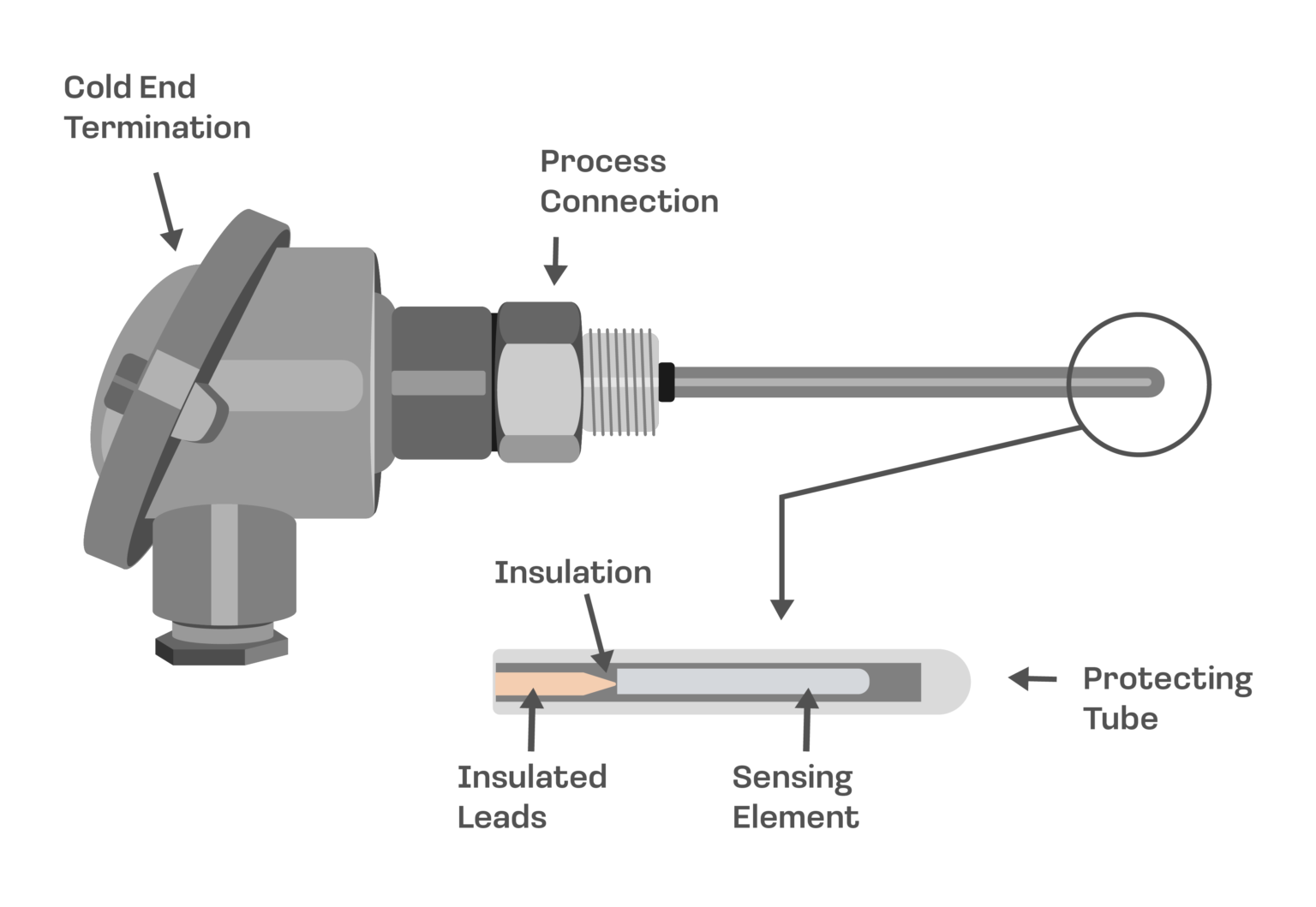
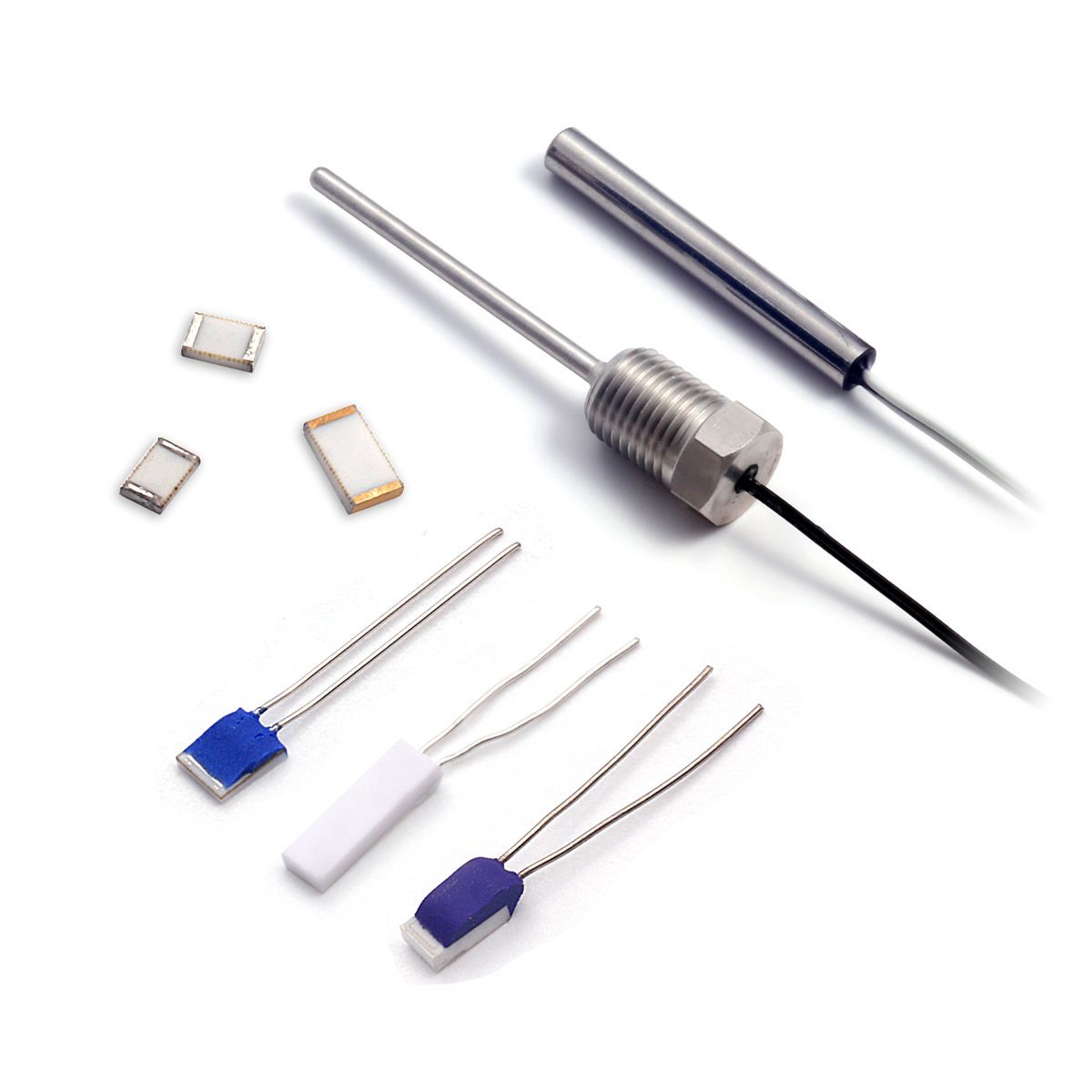
RTDs are frequently used in process lines, tanks, and membrane systems where consistent, repeatable measurement is required. They offer strong long-term stability and operate across a wide temperature range, making them suitable for municipal and industrial treatment equipment.
Platinum RTD elements are commonly selected for applications that require tighter tolerances and reliable performance over extended service intervals.
Thermistors for Fast Response
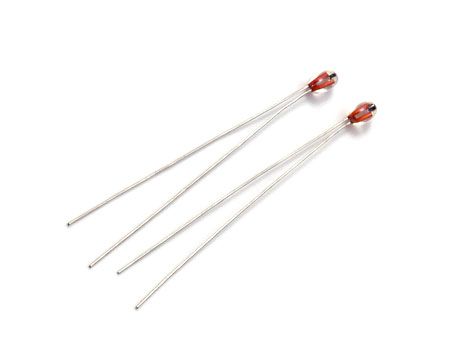
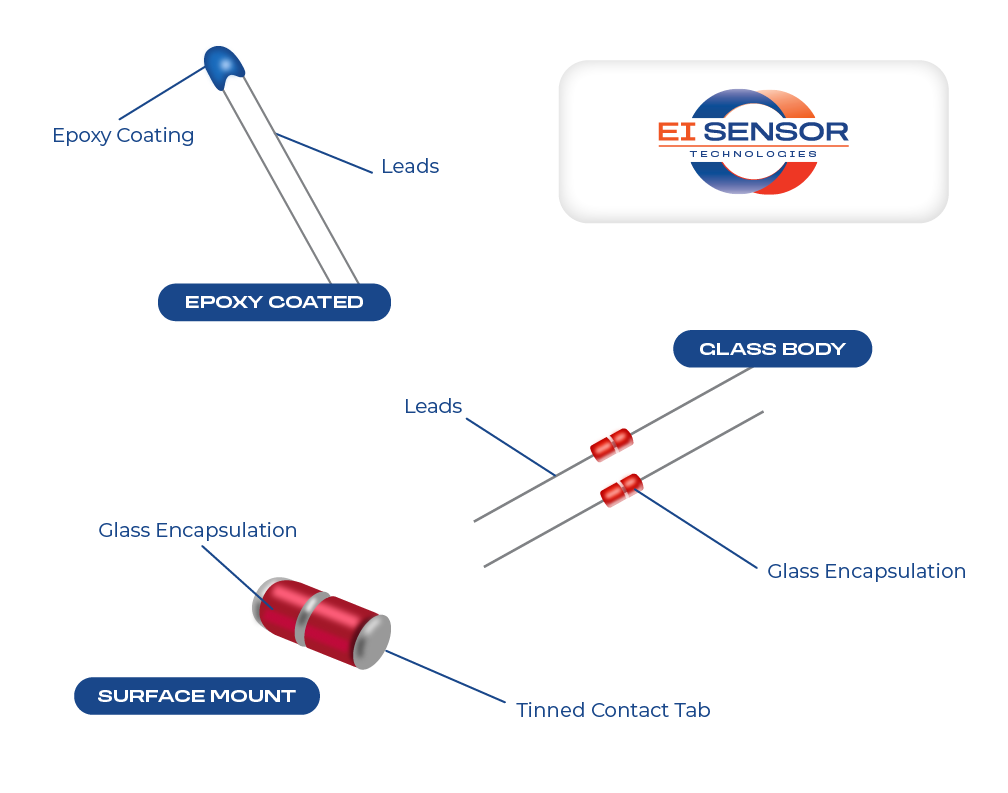
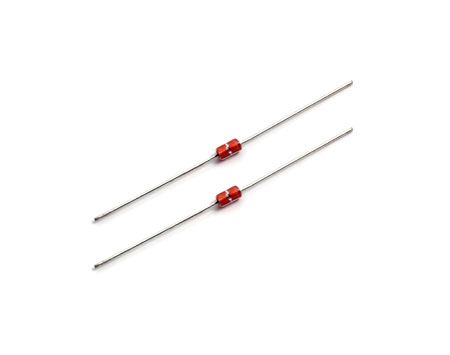
NTC thermistors are ideal for localized monitoring inside control panels, pump assemblies, and compact treatment modules. Their high sensitivity allows quick detection of temperature changes, which is useful in protection circuits and automated control systems.
Thermistors typically operate within a narrower temperature range than RTDs, but they provide excellent responsiveness in that span.
Construction and Material Considerations
Sensor housings must tolerate chemical exposure and constant moisture contact. Stainless steel probes are widely used in water processing systems due to their corrosion resistance and durability. Sealing methods and lead wire insulation should match the operating environment, especially in high-humidity or washdown areas.
For many OEMs, application-specific probe assemblies provide better integration than standard catalog components. Selecting the proper sensor design early in the engineering process simplifies installation and improves long-term measurement performance.
Custom Temperature Sensor Solutions for OEM Water Treatment Equipment
Water treatment equipment varies widely in size and configuration. Municipal systems, skid-mounted purification units, and industrial recycling platforms each present different space constraints and control requirements. Standard components do not always align with these designs.
Custom temperature sensing solutions allow OEMs to specify:
- Probe length and diameter for pipe or tank integration
- Threaded or compression fittings for direct process contact
- Resistance values and tolerances matched to control systems
- Lead wire insulation suited for moisture and washdown conditions
- Connector types compatible with existing assemblies
Membrane housings may require compact probe designs. Chemical dosing systems may call for materials that tolerate cleaning agents or treatment chemicals. Control panels often require small thermistor assemblies positioned near heat-generating components.
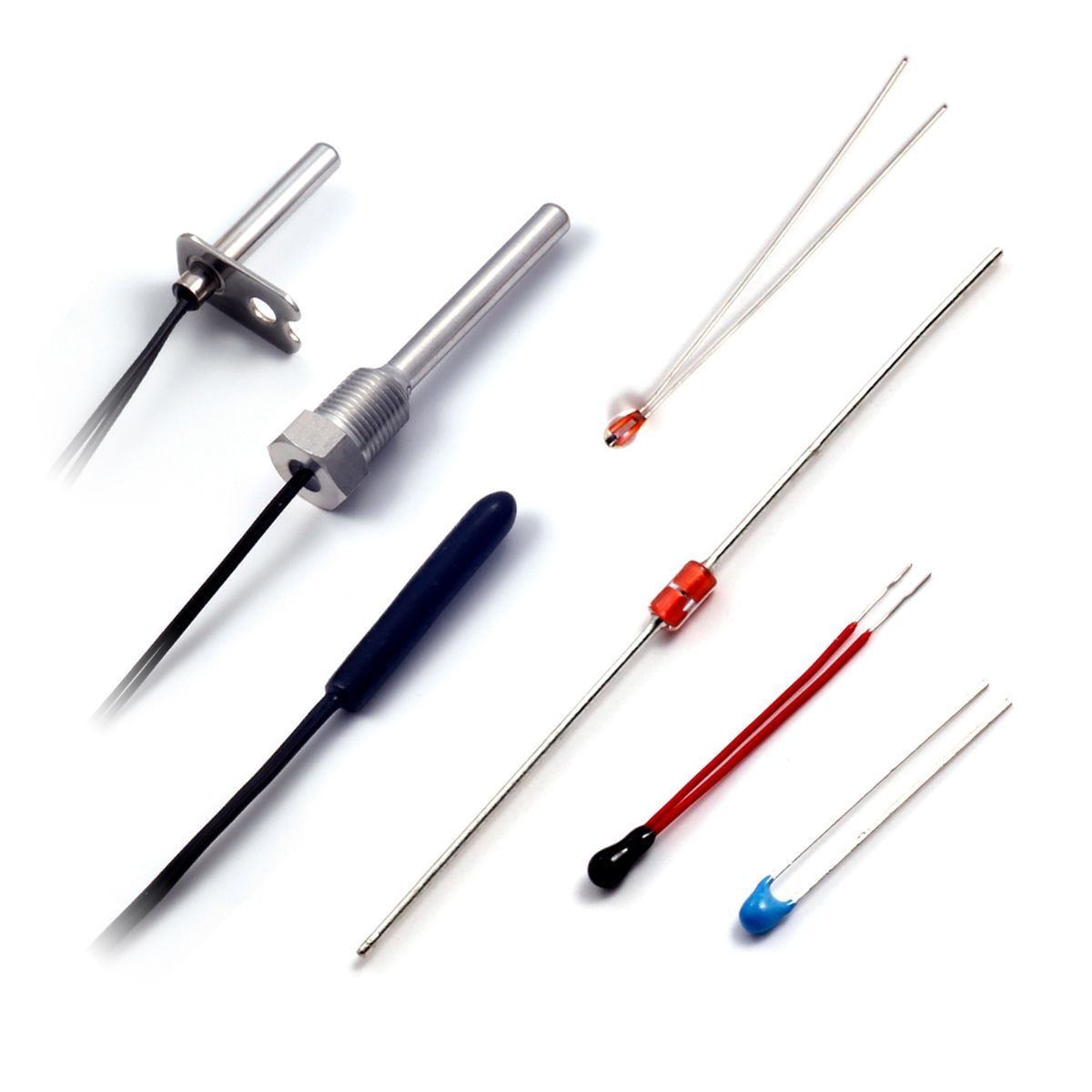
EI Sensor Technologies collaborates closely with OEM teams to develop RTD and thermistorprobe assemblies built to
application requirements, allowing straightforward installation and dependable long-term operation in water purification equipment.
Why OEMs Partner with EI Sensor Technologies for Precision Temperature Measurement
Water purification equipment requires accurate, repeatable temperature sensing built for long service life in moisture-heavy and chemically exposed environments. OEMs look for a sensor partner that understands performance targets, production timelines, and long-term reliability.
EI Sensor Technologies brings more than 30 years of experience in RTD and thermistor manufacturing. Our team collaborates directly with OEM engineers to develop standard and custom probe assemblies that meet your drawings and application specifications. We focus on consistent quality, technical knowledge, and responsive communication throughout the project.
Email sales@ei-sensor.com to discuss your water treatment temperature sensing requirements or request a quote.