BLOG
May 15, 2026
Share this Article:
Wind turbines operate in remote fields, offshore platforms, mountain passes, and desert installations where conditions change quickly. High winds drive heavy mechanical loads. Ambient temperatures shift from freezing nights to intense daytime heat. Inside the nacelle, rotating assemblies and power electronics generate additional thermal stress during continuous operation.
Managing that heat is a constant challenge for turbine manufacturers and operators. Over time, excess temperature accelerates wear in bearings, degrades insulation in generator windings, and impacts the performance of control systems. Accurate monitoring allows teams to track equipment health and respond before minor issues grow into costly repairs.
Temperature sensors are installed throughout wind turbines to monitor drivetrain components, generators, power electronics, and support systems. Their data enables predictive maintenance strategies and long-term reliability planning. For OEMs designing next-generation turbines, sensor selection directly influences system performance, durability, and long-term output.
Why Temperature Monitoring Is Essential for Wind Turbine Reliability
Wind turbines operate under constant mechanical load and fluctuating power output. Changes in wind speed create rapid torque shifts inside the drivetrain. These shifts generate heat in bearings, gearboxes, and generator windings.
Temperature rise is typically the earliest sign of developing wear. Bearings begin to run hot when lubrication degrades. Gearboxes show elevated housing temperatures when internal friction increases. Generator insulation breaks down faster when exposed to sustained high heat.
Unplanned shutdowns are expensive and difficult to manage, especially in offshore or remote installations. Reliable data from temperature sensors allows operators to monitor trends and address issues during scheduled maintenance intervals instead of reacting to unexpected failures.
RTDs are commonly used in generator windings and bearing assemblies due to their stability across wide temperature ranges.
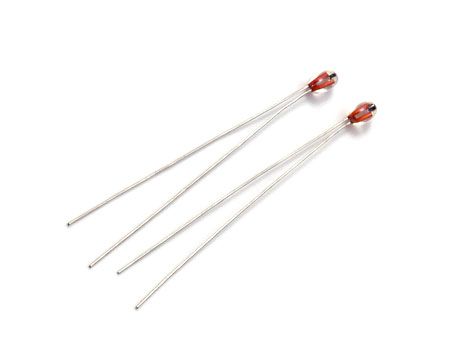
Thermistors are widely selected for power electronics and control systems where fast response supports protection circuits.
Consistent thermal monitoring helps extend component life, reduce downtime, and maintain steady energy production.
Key Locations Where Temperature Sensors Are Used in Wind Turbines
Wind turbines contain several heat-generating systems inside the nacelle and tower. Proper sensor placement allows operators to monitor component health and track performance trends over time. Below are the primary locations where temperature sensors are integrated into turbine design.
Gearbox
The gearbox converts low-speed rotor motion into high-speed rotation for the generator. Internal gears and bearings operate under heavy load, producing friction and heat.
Common monitoring points include:
- Gearbox oil sump
- Bearing housings
- Gear case surface
Elevated oil or bearing temperatures can signal lubrication issues, contamination, or internal wear. Early detection reduces the risk of major gearbox damage and extended downtime.
Generator Windings and Bearings
Generators generate heat during continuous power production. Stator windings are particularly sensitive to sustained high temperatures, which accelerate insulation aging.
RTDs are widely used for winding measurement due to their accuracy and stability across broad temperature ranges. Bearing temperature sensors provide additional insight into the mechanical condition inside the generator housing.
Main Shaft and Pitch Bearings
Main shaft bearings carry significant radial and axial loads. Temperature monitoring helps identify lubrication breakdown or load imbalance before surface damage occurs. Pitch system bearings also require monitoring, especially in turbines exposed to variable wind conditions.
Power Electronics
Converters and control cabinets generate concentrated heat during operation. Thermistors are commonly selected in these assemblies because of their fast response and compact design. Monitoring cabinet temperature protects semiconductors and other sensitive components from thermal stress.
Strategic placement across these locations allows turbine manufacturers and operators to build systems focused on long service life and predictable maintenance planning.
Selecting the Right Temperature Sensor for Wind Energy Applications
Wind turbines expose sensing components to vibration, moisture, and wide temperature swings. Sensor selection depends on measurement location, accuracy requirements, and mechanical integration.
RTDs for Stability and Accuracy
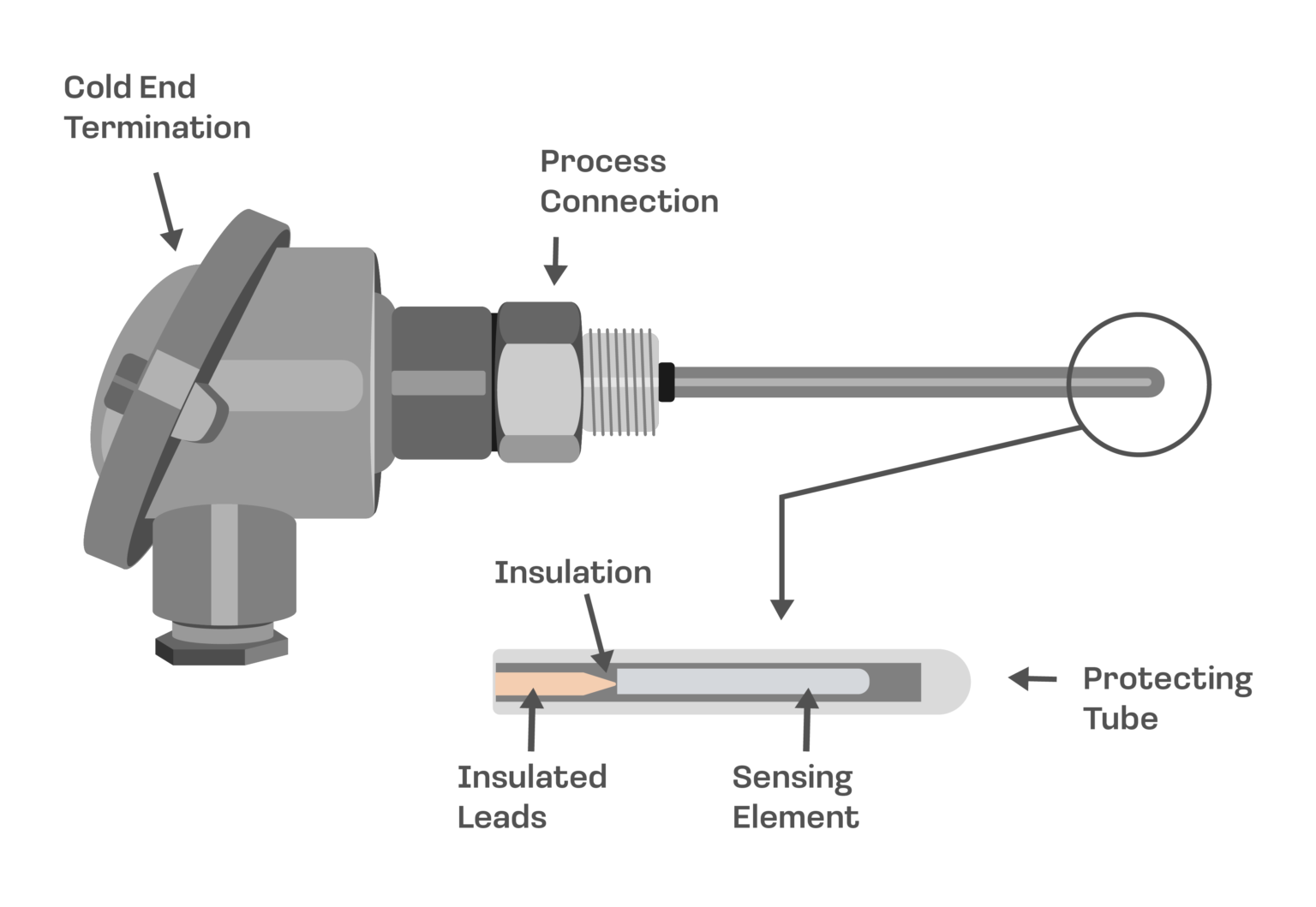
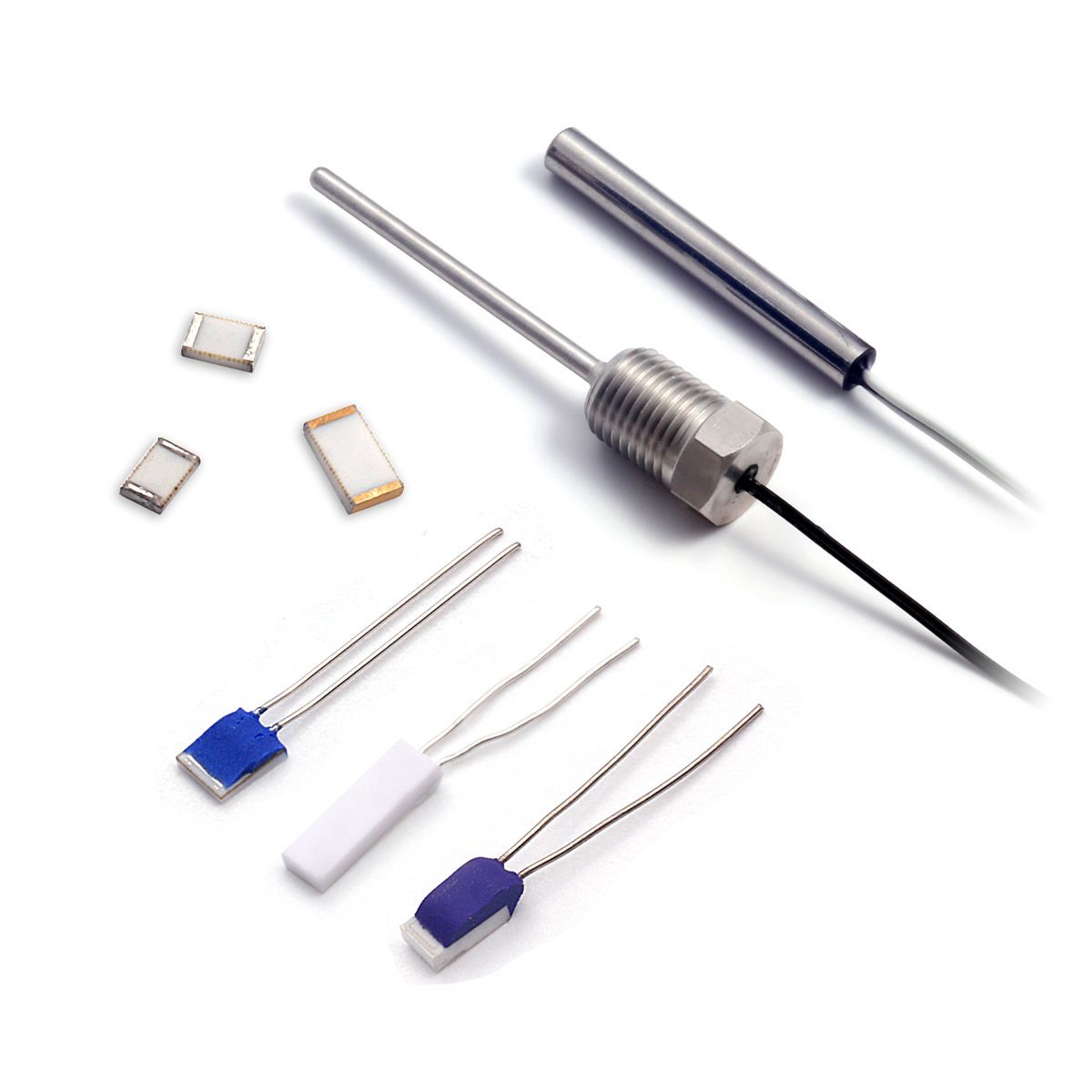
RTDs are widely used in generator windings and bearing assemblies where long-term stability is required. They provide repeatable measurements across a broad temperature range and resist drift over time. For winding protection and drivetrain monitoring, platinum RTDs are a common choice due to their accuracy and reliability.
Thermistors for Fast Thermal Response
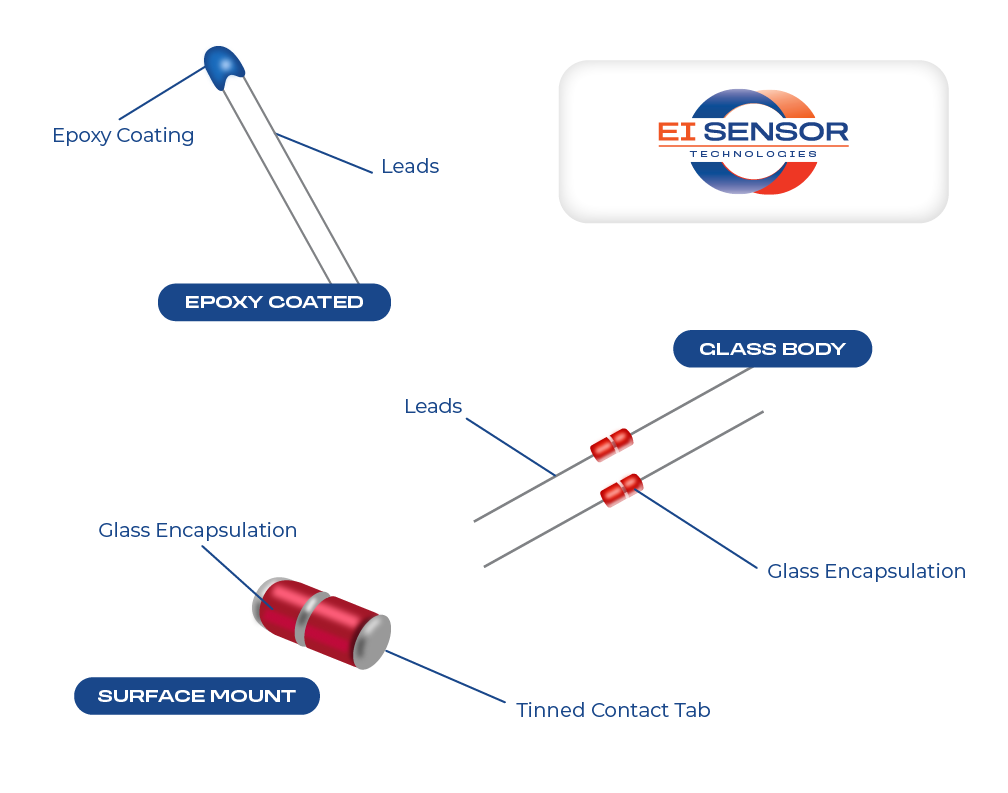
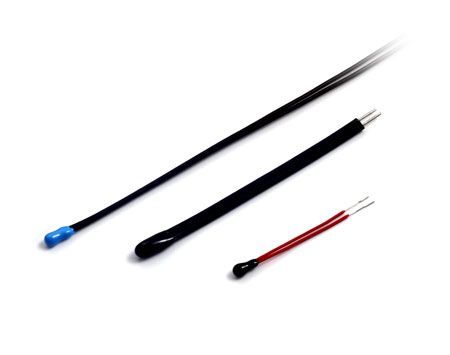
NTC thermistors are typically installed in power electronics, converters, and control cabinets. They react quickly to temperature change and offer high sensitivity within a defined operating range. This fast response allows protection circuits to respond quickly to rising heat inside electronic assemblies.
Mechanical Design Considerations
Probe construction plays a major role in durability. Wind turbine sensors must tolerate constant vibration and moisture exposure while maintaining stable contact at the measurement point.
Key design factors include:
- Stainless steel housings
- Moisture-resistant sealing
- Custom lead wire configurations
- Mounting styles matched to turbine components
For many wind turbine OEMs, custom-built temperature sensors simplify installation and align directly with system requirements, improving long-term performance and serviceability.
Custom Temperature Sensor Solutions for Wind Turbine OEMs
Wind turbine designs vary in size, output capacity, and internal configuration. Standard catalog parts do not always align with available space, mounting requirements, or electrical specifications. Many OEMs require custom temperature sensors built around their exact application.
Custom solutions allow engineering teams to define:
- Resistance values and tolerances
- Probe length and diameter
- Threaded or surface-mount configurations
- Lead wire insulation for high vibration
- Connector types matched to control systems
Generator windings may require compact RTD assemblies that fit within tight slot dimensions. Gearbox monitoring points may call for threaded probes designed for direct contact with bearing housings or oil passages. Power electronics assemblies may require small thermistor configurations integrated near heat-producing components.
Material selection and sealing methods must align with environmental exposure, especially in offshore or extreme climate installations. Proper design improves measurement stability and long-term durability.
EI Sensor Technologies collaborates closely with OEM engineering teams to develop application-specific sensing solutions. The goal is to provide a sensor designed around the turbine platform, allowing easier installation and dependable long-term operation.
Partnering with EI Sensor Technologies for Precision Wind Energy Applications
Reliable temperature measurement directly impacts wind turbine performance, maintenance planning, and equipment life. Accurate sensing at key drivetrain and electrical points allows OEMs to build systems focused on long-term durability and predictable operation.
EI Sensor Technologies brings decades of experience in RTD and thermistor manufacturing, along with a strong background in custom probe design for demanding
industrial applications. Our team works closely with wind turbine manufacturers to deliver application-specific solutions built to your specifications.
Email sales@ei-sensor.com to discuss your wind energy temperature sensing requirements or request a quote.